
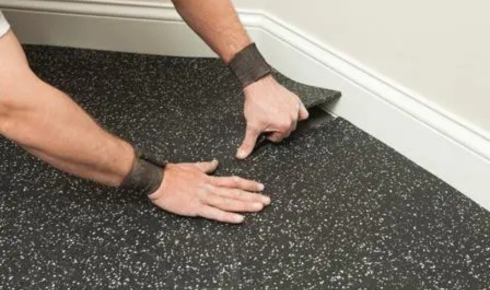
Choosing the right flooring for your garage is crucial. It not only affects the look of your space but also its safety, durability, and usability. One option that stands out among homeowners and business owners alike is garage rubber flooring. This flooring type offers a unique combination of toughness, comfort, and style that other materials often cannot match.
At Superior Garage Flooring, we have extensive experience providing tailored rubber flooring solutions that meet diverse needs. Whether you want a slip-resistant surface for a home gym, a heavy-duty floor for a workshop, or simply an upgrade that enhances your garage’s appearance, garage rubber flooring is a top choice.
In this article, we’ll explore everything you need to know about garage rubber flooring its benefits, types, installation tips, maintenance, and how it compares with other flooring options helping you make an informed decision for your next project.
The Key Benefits of Garage Rubber Flooring
Rubber flooring in garages offers multiple advantages, making it an increasingly popular option. Here are the core benefits that set it apart:
1. Exceptional Durability
Garages often endure heavy loads from vehicles, equipment, and tools. Rubber flooring is built to resist cracking, chipping, and other damage that can affect concrete or vinyl surfaces. Its inherent toughness means it can handle impacts, abrasions, and constant foot and tire traffic without losing integrity.
2. Slip Resistance for Safety
Safety is paramount, especially in areas that can get wet or oily. Rubber flooring naturally provides a slip-resistant surface that reduces the risk of accidents. This feature is particularly valuable in garages that double as gyms or workshops where people move quickly or handle heavy objects.
3. Comfort and Shock Absorption
Unlike hard concrete floors, rubber flooring absorbs shock and reduces fatigue. This makes it an ideal surface for standing long hours, such as during car repairs or workouts, protecting joints and muscles from strain.
4. Noise Reduction
Rubber has sound-dampening properties, which help minimize noise caused by heavy tools dropping or vehicles moving inside the garage. This feature creates a quieter, more pleasant environment for everyone.
5. Easy to Customize and Stylish
Available in various colors, patterns, and textures, rubber flooring lets you personalize your garage’s look without sacrificing functionality. You can mix and match tiles or choose seamless rolls to suit your style preferences.
Different Types of Garage Rubber Flooring to Consider
Garage rubber flooring isn’t one-size-fits-all. Understanding the main types helps you select the best option for your specific requirements.
Rubber Tiles
Rubber tiles are modular and usually come with interlocking edges for easy installation. They’re popular for DIY projects because you can lay them over existing concrete floors without adhesives. Tiles come in various thicknesses and finishes, offering flexibility in design and function.
Rubber Rolls
Rubber rolls provide a continuous surface without seams, reducing places where dirt and moisture can accumulate. This type is well-suited for larger garages or commercial settings where a seamless look and enhanced protection are priorities. Rolls require professional installation for the best results.
Rubber Mats
Rubber mats are portable, making them a great choice for targeted areas within a garage. For example, placing mats under heavy equipment or exercise machines can protect floors and add comfort without covering the entire space.
How to Prepare and Install Garage Rubber Flooring
Proper preparation and installation are essential to get the most out of your garage rubber flooring.
Surface Preparation
Start by cleaning the garage floor thoroughly. Remove dust, grease, oil stains, and any loose debris. A clean and dry surface ensures good adhesion and prevents future issues like mold or uneven wear.
Check for Moisture
Garages can be prone to moisture or seepage, which can affect the flooring’s performance and longevity. Conduct a moisture test on your concrete before installation. If moisture is present, consider vapor barriers or moisture-resistant underlayments.
Installation Options
- DIY with Tiles: Many homeowners opt for interlocking rubber tiles because they don’t require glue or nails. Tiles can be cut to fit irregular spaces and replaced individually if damaged.
- Professional Installation for Rolls: Rubber rolls need adhesives and precise handling to avoid wrinkles or bubbles. Hiring professionals ensures a smooth, long-lasting finish.
Adhesive Selection
Use manufacturer-recommended adhesives for roll or mat installations. The right adhesive helps secure the flooring and prevents shifting or curling over time.
Maintaining Your Garage Rubber Flooring
One of the biggest advantages of rubber flooring is how easy it is to maintain. Regular upkeep keeps your floor safe and attractive for years.
Routine Cleaning
Sweep or vacuum regularly to remove dirt and grit that can cause scratches or wear. A clean floor also reduces slip hazards.
Mopping
Occasional mopping with warm water and a mild detergent keeps rubber floors fresh. Avoid harsh chemicals or solvents that could break down the rubber.
Stain Removal
Act quickly on spills, especially oils or chemicals, which can damage or discolor the surface. Use appropriate cleaners and avoid abrasive tools.
Protecting the Surface
Place furniture or equipment pads under heavy items to prevent dents or indentations. For high-traffic areas, consider layering mats for added protection.
Environmental Benefits of Rubber Flooring
Rubber flooring isn’t just practical it can be eco-friendly too. Many rubber floors are made from recycled materials such as used tires, which helps reduce waste in landfills. Choosing recycled rubber supports sustainability efforts while still providing a high-performance floor.
Additionally, rubber flooring’s long lifespan reduces the need for frequent replacement, cutting down on resource consumption over time.
Comparing Garage Rubber Flooring to Other Popular Options
Many homeowners consider multiple flooring types before deciding. Here’s how rubber compares:
Epoxy Coatings
Epoxy provides a hard, glossy surface that looks great but can become slippery when wet and is prone to cracking under heavy impact.
Vinyl Flooring
Vinyl is affordable and easy to install but less durable than rubber. It can tear or dent under heavy use.
Concrete Sealers
Sealants protect concrete but don’t add cushioning or significant slip resistance.
Rubber flooring excels in offering balance it’s durable yet soft underfoot, slip-resistant yet stylish, and suitable for heavy-duty use without losing comfort.
Real-Life Uses for Garage Rubber Flooring
Home Gyms
Rubber flooring cushions every step and workout movement, reducing injury risk and joint stress. It also protects underlying concrete from heavy weights.
Workshops
For mechanics, woodworkers, and hobbyists, rubber floors resist oil spills, provide cushioning, and reduce noise essential for productive and safe workspaces.
Commercial Garages
In commercial or industrial garages, the durability and noise reduction of rubber flooring improve work conditions and protect expensive concrete substrates.
Expert Tips from Superior Garage Flooring
When choosing garage rubber flooring, consider these tips from our experts:
- Match Flooring Thickness to Use: Heavier traffic or equipment requires thicker rubber. For home gyms, 3/8” to 1/2” thickness often works well. Workshops may need even thicker options.
- Consider Color and Texture: Darker colors hide stains better, while textured surfaces increase slip resistance.
- Plan for Expansion: If you live in areas with fluctuating temperatures, ensure your flooring allows for expansion and contraction to prevent buckling.
- Warranty and Quality: Always select high-quality products backed by warranties to protect your investment.
Why Choose Superior Garage Flooring?
Based in Litchfield Park, AZ, Superior Garage Flooring combines local expertise with a deep understanding of the garage flooring market. We help clients choose the right garage rubber flooring that suits their specific needs and budgets. Our services include:
- Comprehensive consultations
- Professional installation by trained technicians
- High-quality, durable materials sourced from trusted manufacturers
- Ongoing customer support and maintenance guidance
We focus on delivering flooring solutions that last and improve the functionality and appeal of your garage space.
The Smart Choice for Your Garage
Investing in garage rubber flooring means prioritizing durability, safety, and comfort without compromising on style. Whether you’re a homeowner transforming your garage into a workout area or a business owner needing a reliable workspace, rubber flooring provides a versatile, resilient foundation.
With proper installation and maintenance, your rubber floor will serve you well for many years, protecting your garage’s concrete base while enhancing your daily activities.
Take the Next Step
Ready to upgrade your garage with superior rubber flooring? Contact Superior Garage Flooring today to schedule a consultation or request a quote. Let us help you choose the best flooring solution designed for your lifestyle and needs.
Visit us online at superiorgarageusa.com or call us at our Litchfield Park location to learn more.