
There’s a moment—small, almost forgettable—when you realize something’s off with your water. Maybe it’s the taste, slightly metallic or just… dull. Or the way your skin feels tight after a shower, like it’s missing something it used to have. It doesn’t hit all at once. It creeps in.
And most of us, if we’re honest, just adjust. We tell ourselves it’s normal. That water is water, and it’s not worth overthinking. But the truth is, what flows through your taps affects more than you notice on the surface. It shapes your daily routine in quiet, persistent ways.
I didn’t think much about it either—until I did.
The First Sign: Something Doesn’t Taste Right
It usually starts in the kitchen. A glass of water that doesn’t quite feel refreshing. Tea that tastes slightly different depending on the day. You might blame the kettle, the milk, even the weather. But deep down, you know—it’s the water.
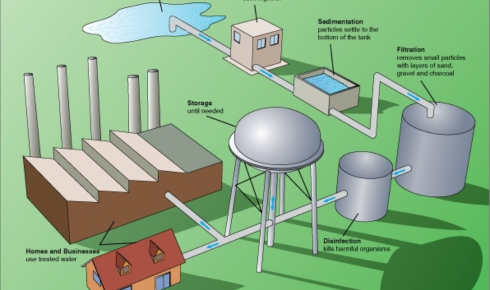
That’s where drinking water purification becomes less of a technical upgrade and more of a lifestyle decision. It’s not about chasing perfection or installing the most expensive system out there. It’s about trust.
When your water is properly purified, there’s a kind of quiet reassurance in every sip. No odd aftertaste, no second-guessing. You stop thinking about what might be in it—and just drink. That’s how it should be, honestly.
And the funny thing is, once you get used to clean, well-treated water, going back feels… wrong. Like drinking from a tap in a place you don’t quite trust.
The Hidden Annoyance of Hard Water
Now, shift from the kitchen to the bathroom. Different story, same underlying issue.
Hard water is sneaky. It doesn’t announce itself loudly. Instead, it shows up in little irritations—soap that refuses to lather properly, white marks on tiles, that chalky buildup around your taps that never seems to fully go away.
Then there’s your skin. Dry, sometimes itchy. Your hair? A bit lifeless, harder to manage. You might spend money on better shampoos or moisturizers without realizing the root of the problem isn’t the product—it’s the water you’re using every single day.
That’s where practical hard water solutions come into play. Not as some big, complicated fix, but as a way to bring balance back into your routine. Softer water changes how everything interacts—your soap, your clothes, even your appliances.
And no, it’s not magic. It’s just what happens when minerals that shouldn’t dominate your water… don’t.
It’s Not Just About Taste or Feel—It’s About the Bigger Picture
Here’s something we don’t talk about enough: water quality isn’t just about comfort. It’s about long-term impact.
Think about it. The same water you drink, cook with, and bathe in also flows through your pipes, your washing machine, your geyser. Over time, impurities and mineral deposits don’t just disappear—they build up. Slowly. Quietly.
This is where the idea of water quality improvement starts to make more sense. It’s not a single product or a one-time fix. It’s a mindset shift.
Instead of reacting to problems—like scaling, bad taste, or skin irritation—you start preventing them. You create an environment where water supports your home rather than slowly working against it.
And once that shift happens, you begin to notice things you didn’t before. Your appliances run smoother. Your laundry feels fresher without extra effort. Even your kitchen feels… cleaner somehow.
Small Changes That Add Up Over Time
One of the most surprising parts of improving your home’s water is how subtle it feels at first. There’s no dramatic transformation overnight. No before-and-after photos that scream “upgrade.”
It’s quieter than that.
Your morning tea tastes a bit better. Your shower feels more comfortable. You use less soap, less detergent, and somehow things still come out cleaner. It’s a series of small, almost invisible improvements that stack up over days and weeks.
And then one day, you notice—you’re not thinking about your water anymore.
That’s the goal, really. Not to obsess over it, but to remove the need to.
The Emotional Side of Something So Basic
It might sound strange to talk about emotions when it comes to water, but there’s something grounding about it. When something as basic as water feels right, it brings a kind of calm to your daily routine.
You’re not second-guessing what you’re drinking. You’re not annoyed by stubborn stains or dry skin. You’re just… comfortable.
And comfort, especially in your own home, is underrated.
Where Do You Even Start?
If you’re reading this and thinking, “Okay, maybe I should look into this,” you’re not alone. The hardest part is usually the beginning—figuring out what actually needs fixing.
Start by paying attention. Notice how your water tastes, how your skin feels, how your appliances are holding up. You don’t need to jump into everything at once.
Maybe you begin with your drinking water. Maybe you tackle hard water first because it’s the most visible issue. There’s no perfect path, just your path.
A Quiet Upgrade That Stays With You
At the end of the day, improving your water isn’t about trends or fancy systems. It’s about making your everyday life just a little better, in ways that don’t demand attention but definitely deserve it.
You won’t brag about it. You won’t show it off to guests.
But you’ll feel it—every single day.
And honestly, that’s more than enough.