
There’s a quiet kind of trust we place in the water flowing through our homes. We expect it to be clean, safe, and, honestly, a little invisible—something that just works in the background of daily life. But every now and then, it starts behaving differently. A strange color, a stubborn residue, a faint chemical taste you can’t quite ignore.
And suddenly, water becomes noticeable.
Not in a good way.
When the Color Changes, Pay Attention
It usually starts with a moment of hesitation. You turn on the tap, and instead of that familiar clear stream, there’s a slight tint—yellowish, brownish, maybe even reddish. You might run it for a few seconds, hoping it clears up. Sometimes it does. Sometimes it doesn’t.
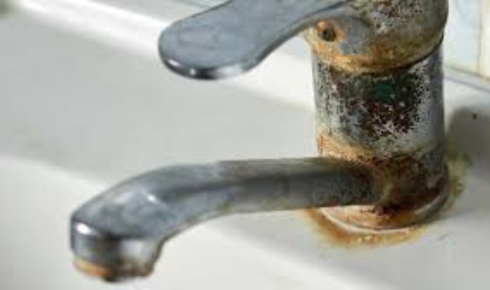
That’s often a sign of rusty or discoloured water, and while it can look alarming, it’s usually tied to something specific. Aging pipes, for example, tend to release iron particles over time. In some areas, groundwater naturally carries higher mineral content, which can show up as discoloration.
It’s easy to brush it off as a temporary issue. But here’s the thing—water doesn’t change color without a reason. Even if it’s not immediately harmful, it’s a signal worth paying attention to. Because what you’re seeing might just be the visible part of a deeper issue.
And honestly, no one feels comfortable drinking or cooking with water that looks questionable, even if someone assures you it’s “probably fine.”
The Quiet Trouble With Hard Water
Now, not all water problems are obvious. Some of them creep in quietly, leaving traces rather than making a scene.
Hard water is one of those sneaky culprits. It doesn’t necessarily change the way your water looks or smells. Instead, it leaves behind a trail—chalky buildup on taps, spots on glassware, that stubborn film on your shower door that never seems to go away.
This is where hard water protection becomes more than just a convenience. It’s about preserving your home in ways you might not notice right away. Hard water can slowly wear down appliances, clog pipes, and make soaps and detergents less effective.
Ever notice how your shampoo doesn’t quite lather the way it used to? Or how clothes feel a bit stiff after washing? That’s hard water quietly doing its thing.
And while it might seem like a minor annoyance, over time, it adds up—both in maintenance costs and daily frustration.
What About What You Can’t See?
Here’s where things get a bit more serious.
Not all water issues are visible or easy to detect. Sometimes, the biggest concerns are the ones you can’t taste, smell, or see at all. Chemicals, contaminants, and pollutants can find their way into water supplies for all sorts of reasons—industrial runoff, agricultural practices, or even outdated infrastructure.
That’s why toxic chemical removal has become such an important part of modern water treatment. It’s not about fear—it’s about awareness. Knowing that there are solutions designed to filter out substances you wouldn’t want anywhere near your drinking water.
And let’s be real—peace of mind matters. There’s something reassuring about knowing that the water you’re using every day has been properly filtered and treated, especially when it comes to your family’s health.
Why These Problems Often Go Unnoticed
It’s interesting how easily we adapt to small inconveniences. A slightly odd taste becomes normal. A bit of buildup on fixtures feels like part of life. Even low-level concerns get pushed aside because, well, everything still “works.”
But water quality issues rarely fix themselves. They tend to linger, sometimes getting worse over time.
Part of the problem is that we don’t always know what to look for. There’s no alarm system for water quality. No notification that pops up and says, “Hey, something’s off here.”
So we rely on instinct. And sometimes, we ignore it.
Taking a Closer Look (Without Overthinking It)
If something about your water feels off, it’s worth investigating—but it doesn’t have to be complicated.
Start simple. Notice patterns. Is the discoloration happening at certain times of day? Does the pressure drop when multiple taps are running? Are there lingering tastes that weren’t there before?
A basic water test can reveal more than you might expect. It’s like getting a behind-the-scenes look at what’s actually in your water. From there, solutions become much clearer—and usually more targeted.
You don’t need to install every system available or chase the most advanced setup. Often, the right approach is the one that directly addresses your specific issue, without unnecessary extras.
The Difference Good Water Makes
Once you’ve experienced clean, balanced water, it’s hard to go back.
Drinking water tastes fresh, not like something you have to tolerate. Showers feel better—softer, somehow. Even small things, like washing dishes or making tea, become a little more enjoyable.
It’s not about luxury. It’s about comfort. About removing that subtle layer of doubt that comes with questionable water quality.
And perhaps most importantly, it’s about trust. Trusting that what you’re using every day is as safe and reliable as it should be.
A Thought to Leave You With
Water has a way of communicating, even if it doesn’t use words. A change in color, a stubborn residue, an unfamiliar taste—it’s all part of a quiet message.
The question is whether we’re listening.
You don’t need to panic or overhaul your entire system overnight. But you also don’t have to ignore those signs. Sometimes, the smallest adjustments lead to the biggest improvements.
And when it comes to something as essential as water, that’s a change worth making.