
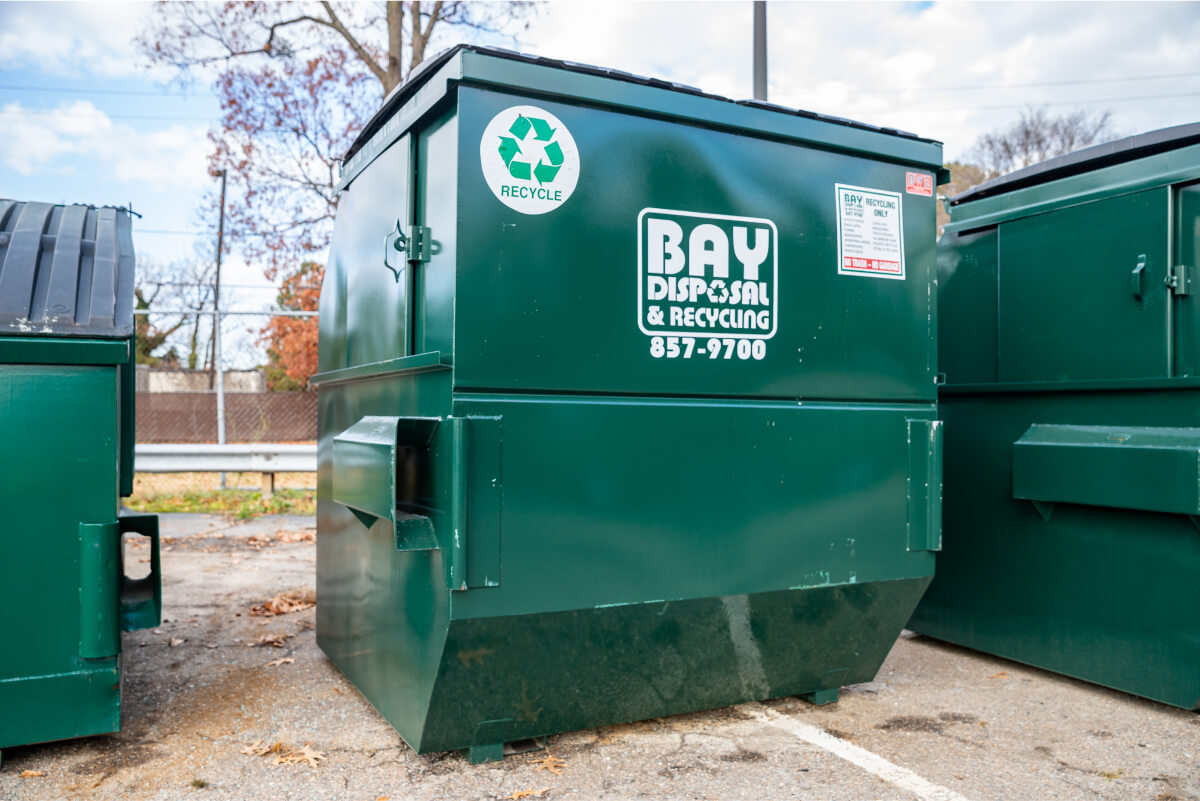
There’s a moment during almost every big cleanup when you realise just how much stuff has accumulated. The garage that looked manageable on Saturday morning is suddenly full of broken shelves, cardboard, old flooring, and things nobody remembers buying. Construction projects have their own version of the same problem. One day the work area is clear, and the next it’s covered in packaging, timber offcuts, plaster, and debris.
Getting rid of all that material takes more than a few trips to the local dump. You need a practical plan, a suitable container, and a clear idea of what can be thrown away. Choosing the right dumpster might not be the most exciting part of a project, but it can save time, reduce disruption, and make the entire job feel more manageable.
Start by Estimating How Much Waste You’ll Have
Before booking a dumpster, walk through the property or worksite and consider what needs to be removed. A small bathroom renovation might produce old tiles, a vanity, drywall, and packaging. Clearing an entire house could involve furniture, mattresses, boxes, and miscellaneous household items. A landscaping project may generate branches, soil, and other bulky materials.
The amount of waste isn’t always easy to judge by looking at it. Some materials can be compacted or stacked efficiently, while others take up considerable space. Heavy debris creates another challenge because a container may reach its weight limit before it looks full.
Making a basic list helps. Separate bulky items from loose debris and identify any materials that may need special handling. If you’re working with a contractor, ask for an estimate based on the planned demolition or renovation work. Someone who handles similar projects regularly may be able to provide a more realistic assessment than a quick guess.
It’s also worth considering how quickly the waste will accumulate. A weekend cleanout may fill a container in a few hours, whereas a larger construction project might produce debris gradually over several weeks. That difference can influence both the container size and the rental period you need.
Understanding Dumpster Sizes Without Overcomplicating It
Choosing a container shouldn’t feel like solving a complicated puzzle. Providers commonly offer several options, with capacity measured in cubic yards in many parts of the United States. Smaller containers are often suitable for modest cleanouts, while larger ones can accommodate substantial renovation or construction debris.
When comparing dumpster sizes, focus on the kind of project you’re doing, the estimated volume of material, and any weight restrictions. A container that works well for a garage cleanout may be too small for a full kitchen demolition. On the other hand, ordering a very large container for a few bulky items may mean paying for capacity you never use.
Ask the rental company to explain the available options in practical terms. Describe the rooms being cleared, the materials involved, and whether heavy debris such as concrete, brick, or roofing shingles will be included. These details matter because a container’s physical capacity and its permitted weight are not the same thing.
Placement is another part of the decision. A large dumpster needs sufficient space for delivery, safe access, and collection. A narrow driveway or crowded worksite may limit your choices, even when a larger container seems ideal. Measure the available area and check whether the delivery vehicle will have enough room to manoeuvre.
One Service, Different Types of Projects
Not every cleanup looks alike. A homeowner replacing a roof has different needs from a shop renovating its interior, and neither project is quite like a construction crew clearing debris from a new development.
Providers serving residential & commercial customers may offer a range of containers and rental arrangements to suit these different situations. Residential work often involves garage cleanouts, moving preparation, landscaping, renovations, and removal of unwanted furniture. Commercial projects may generate packaging, office fixtures, construction materials, or debris from property improvements.
For homeowners, convenience is often a major concern. You want a container that fits the driveway, doesn’t obstruct daily activities, and can be collected when the work is finished. It helps to plan where family members will park and how they will safely enter and leave the property while the dumpster is there.
Businesses need to think about operations as well. A container shouldn’t block customer entrances, loading areas, fire lanes, or employee access. If the property remains open during renovations, scheduling delivery and collection during quieter periods may reduce disruption. For construction sites, the container’s location should allow workers to dispose of debris without creating unnecessary movement across the work area.
The best arrangement is the one that fits the project, not simply the one with the largest capacity or the lowest advertised price.
Know What Can and Cannot Go Inside
It’s easy to assume that anything unwanted can be tossed into a dumpster. In reality, rental companies usually have rules about accepted materials, and local regulations may impose additional restrictions.
Ordinary household clutter, furniture, packaging, and many types of construction debris are commonly accepted, although specific policies vary. Concrete, soil, roofing materials, and yard waste may be subject to separate limits or container requirements. Hazardous products usually need special arrangements.
Paint, fuel, oils, chemicals, batteries, certain electronics, and asbestos-containing materials are examples of items that may not be accepted in a standard dumpster. Never place questionable materials inside without checking first. If you’re clearing an older building, ask whether any materials may require specialist assessment before removal.
Responsible waste disposal involves more than simply moving rubbish out of sight. Depending on local facilities and the type of material, some items may be recycled, recovered, or sent to an appropriate processing facility. Separating suitable materials can support better handling and reduce the amount sent to landfill.
If you’re unsure about an item, ask the provider before loading it. A quick phone call can prevent delays, additional fees, or the need to remove a prohibited material later.
Plan Delivery, Loading, and Pickup
A little coordination can make dumpster rental much easier. Arrange delivery close to the point when waste generation is expected to begin. If the container arrives too early, it may occupy useful space for days. If it arrives too late, debris may pile up around the work area and slow everyone down.
Before delivery, clear the placement area and check whether you need permission to put the dumpster on a public street or other shared space. Requirements differ by location, so confirm any permit rules with the relevant local authority or rental company.
Load materials carefully and distribute weight evenly. Keep debris below the container’s fill line and avoid allowing objects to hang over the sides. Overfilled containers can create safety problems during transport and may not be collected until the load is corrected.
Finally, confirm the pickup process. Ask whether collection happens automatically at the end of the rental period or whether you need to call to schedule it. If your project is running behind, discuss an extension before the original deadline passes.
Compare Prices Beyond the Headline Rate
Rental prices may depend on container size, location, rental duration, disposal allowances, and the type or weight of material. Delivery, collection, extra days, and overage charges can also affect the final bill.
Request a written quotation and make sure you understand what it includes. Ask about weight limits, prohibited items, extension fees, and any additional charges that could apply. Comparing two offers is much easier when both providers explain the same details.
A cheap rental can become expensive if the container is too small or the disposal allowance doesn’t match your project. Choosing carefully at the beginning is often the simpler option.
Finish the Job With Less Stress
Cleanup is rarely the part of a project people look forward to, but it doesn’t have to become a problem of its own. Estimate your waste, choose a suitable container, check material restrictions, and plan delivery around the work schedule.
The right dumpster helps keep a property organised and gives everyone a clear place to put unwanted material. Whether you’re clearing a home, updating a business, or managing a construction site, thoughtful planning can make the process safer and more efficient. A little preparation goes a long way—and it leaves you free to focus on the part of the project that matters most.