
Water. It’s easy to take it for granted. You turn on a faucet and—voilà—clean water pours out. Or so we assume. But behind every glass of crystal-clear H2O is a whole world of science, systems, and infrastructure most of us never think about. And with growing concerns about contaminants, aging pipelines, and industrial waste, there’s never been a better time to take a closer look at how we’re treating our water—at home, at work, and everywhere in between.
A Wake-Up Call in a Glass
Not long ago, I visited a friend’s new home. Lovely place, but the tap water had this faint, almost metallic aftertaste. Nothing you’d notice unless you were picky. But after a week of headaches and stomach discomfort, she got curious. Turned out, it wasn’t just the pipes—it was the lack of proper drinking water filtration systems.
That got me thinking—how many of us blindly trust our tap water? Sure, it looks clean. But is it? And when you add things like chlorine, sediment, lead, or PFAS into the equation, the answer gets murkier.
That’s where smart water filtration systems come in. From under-the-sink reverse osmosis to whole-house carbon filters, there’s a solution for almost every need. But here’s the thing—it’s not a one-size-fits-all. Your water source, region, and goals (health vs. taste vs. long-term maintenance) all matter.
Business Water Woes: Not Just a Residential Issue
Now let’s zoom out to a bigger picture. Imagine running a café, or a hotel, or heck—even a car wash. Water plays a key role in just about every commercial setup. But if your business is relying on untreated or poorly treated water, you’re risking more than just poor taste or cloudy glasses.
Think equipment wear and tear. Think customer complaints. Think regulatory fines if your water isn’t up to code.
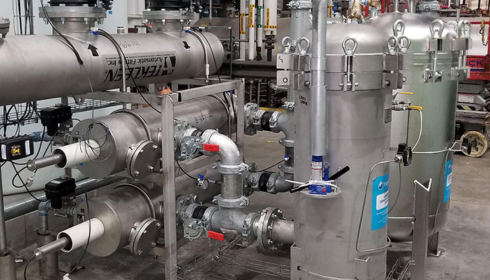
That’s why commercial water treatment isn’t some fancy luxury—it’s an operational must-have. Restaurants need soft, filtered water to protect coffee machines and dishwashers. Breweries depend on precise mineral balances. And manufacturing plants? They often require industrial-scale systems to remove heavy metals, oils, or other waste.
And here’s a twist—good commercial water treatment isn’t just about filtration. It’s also about efficiency. The right system can lower utility costs, reduce downtime, and extend the life of machinery. Win-win.
The Real Deal About Installation
Let’s be real—choosing a water treatment system is one thing. Getting it installed correctly? That’s a whole different beast.
A bad install can mess everything up—low pressure, leaks, or worse, ineffective filtration that gives you a false sense of safety. It’s like buying a luxury car and letting a rookie mechanic work on it.
That’s why water treatment system installation should never be an afterthought. Professional installers do more than just hook up pipes—they test water chemistry, size the system correctly, and ensure compatibility with your existing plumbing. They also walk you through maintenance steps so you’re not left clueless when the filters need changing.
And yes, while DIY kits exist and YouTube tutorials make it seem doable, there’s a reason certified experts are in high demand. This is your water we’re talking about—don’t gamble with it.
What to Watch Out for (Besides Obvious Red Flags)
So you’re ready to dive into better water solutions. Great. But here’s the trick: not all filtration systems are created equal.
Some are more hype than help. You’ll see words like “alkaline,” “ionizer,” or “nano” tossed around like confetti. Marketing buzz aside, the best system is the one that meets your specific needs. Maybe that’s a carbon filter, maybe UV light, or maybe a multi-stage setup that tackles a bit of everything.
Start with a water test. You can get one from your local utility, buy a home kit, or have a professional do it. Once you know what you’re up against—whether it’s chlorine, iron, nitrates, or bacteria—you can choose a solution that actually works.
And don’t forget maintenance. A filter that isn’t changed regularly is worse than having no filter at all.
Why This Matters More Than Ever
Water issues aren’t just someone else’s problem anymore. From Flint, Michigan to parts of California and even smaller rural towns—contamination crises are becoming disturbingly common. Climate change, industrial runoff, and old infrastructure aren’t doing us any favors either.
Safe, clean water shouldn’t be a privilege. It should be a given. But we’re not there yet. Which means it’s up to us—homeowners, business owners, and communities—to be proactive.
And it’s not just about health (though that’s a huge part). It’s about trust. Peace of mind. Knowing that every glass you pour, every machine you run, every customer you serve—is protected.
Closing Thoughts: The Water Underneath It All
We spend thousands on phones, gadgets, and home upgrades. Yet when it comes to water—the stuff we drink, bathe in, and cook with—we often hesitate to invest.
But once you’ve experienced the difference—cleaner taste, smoother showers, fewer appliance breakdowns—it’s hard to go back. And whether you’re outfitting your new home or upgrading a factory floor, water treatment isn’t just a cost. It’s a long-term investment in quality, safety, and sustainability.