
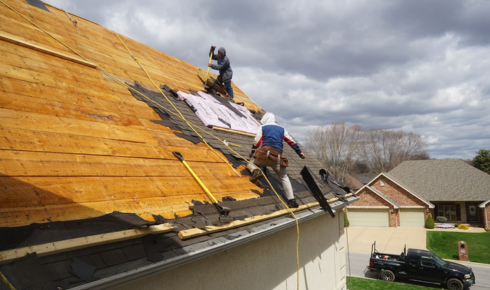
There’s something quietly comforting about a solid roof. It’s not flashy or loud — it just is. Always there, shielding you from pounding rain, scorching heat, howling winds. But like everything in life, even the strongest roofs have their breaking points. And when they do, they don’t exactly send a calendar invite — they creak, leak, and shout in their own language.
That’s why being roof-aware isn’t just a homeowner’s responsibility — it’s smart living.
A Little Leak Can Turn Into a Lot of Trouble
Let me paint you a picture. You’re sipping your morning coffee. There’s a faint tap… tap… tap from the ceiling. You think it’s just the wind. A day later, there’s a tiny brown stain above your bed. A week later, you’ve got water dripping on your dresser.
That’s how most roof repair stories start — with a tiny issue that snowballs into an expensive, messy headache.
The truth is, roofs rarely fail overnight. Shingles go missing. Flashing loosens. Debris clogs gutters. If you catch these early, the fix is usually quick and affordable. Ignore it? You might end up replacing half your ceiling.
When Repair Isn’t Enough — Knowing When to Let Go
Now, let’s not dance around it — sometimes, a patch job just won’t cut it. There’s a point when that worn-out roof has done its time, and putting more money into repairs is like duct-taping a flat tire.
A full roof replacement isn’t cheap. But here’s the kicker: it’s often more cost-effective long-term. A new roof boosts energy efficiency, raises home value, and gives you peace of mind for decades. Plus, let’s be honest — there’s something deeply satisfying about hearing rain on a brand-new roof and knowing you’re safe underneath it.
If your roof is 20+ years old, if you see widespread sagging, or if you’ve repaired the same spot twice already — it might be time to start fresh.
Storms Don’t Knock — They Kick the Door In
Depending on where you live, storms might be an occasional nuisance or a seasonal terror. Either way, high winds and hail don’t play nice with shingles.
What’s tricky? Not all storm damage is obvious. Some of it hides — behind cracked tiles, under lifted shingles, or in the unseen bruises of hail hits. That’s why professional storm damage repair is so essential. It’s not about just fixing what’s visible — it’s about uncovering what’s not.
Also, for insurance purposes, timing is everything. You’ve often got a limited window to file a claim. The sooner you inspect and document the damage, the better your chances of getting proper coverage.
Think of Inspections as Roof Check-Ups
Just like you’d visit a doctor for an annual physical (hopefully), your roof needs regular checkups too. It doesn’t take a full-blown disaster to uncover issues — many can be spotted early with a professional roofing inspection.
Think of inspections as preventative care. They catch things like minor shingle wear, small leaks, mold growth, or signs of sagging before they become emergency repairs. Most reputable roofing companies offer free or low-cost inspections, and they can give you a clear report on your roof’s condition — no guesswork.
Getting an inspection after a big storm, or once every 1–2 years, is one of the smartest moves a homeowner can make.
Not All Roofers Are Created Equal (And That Matters)
Let’s talk about the elephant in the room — the roofing industry has its share of bad apples. We’ve all heard the horror stories: contractors disappearing mid-project, surprise costs, or worse, jobs done so poorly they have to be redone.
This is why choosing the right roofing company is half the battle. Look for licensed, insured professionals with local experience. Check reviews. Ask for references. And never sign anything under pressure.
A trustworthy roofer doesn’t just fix your roof — they earn your trust, answer your questions, and make you feel confident every step of the way.
What’s It All Gonna Cost Me?
Good question. The short answer? It varies. The long answer? It depends on your roof’s size, pitch, material, and how bad the damage is.
Minor roof repair might run a few hundred bucks. A full roof replacement? Could be several thousand. Storm damage that’s covered by insurance? You may only pay your deductible.
But here’s the key: don’t let fear of cost delay the fix. Every day you wait can lead to more water, more mold, and more money down the drain.
Final Thoughts: Your Roof Has Your Back — Return the Favor
We don’t think about roofs until we have to. But by then, the damage is usually done.
Here’s the thing: whether it’s a quick repair, a full overhaul, or just a once-over after a storm — your roof deserves attention. It works 365 days a year, in every season, without asking for much.