Water rarely announces itself. It just shows up—first thing in the morning when you rinse your face, later when you boil pasta, and again when you’re half-asleep loading the dishwasher. Most days, it’s background noise. But when water quality is off, even slightly, it starts to affect things in sneaky ways. Your glasses look cloudy. Soap doesn’t lather the way it should. Your skin feels tight for no obvious reason.
That’s usually when people start paying attention. Not because they planned to, but because daily life nudged them there.
When small annoyances add up
At first, it’s easy to brush off water-related issues. Hard water spots feel cosmetic. A faint taste seems harmless. But over time, these little things stack. Appliances wear out faster. Towels feel stiff no matter how much fabric softener you use. Coffee tastes different from house to house, even with the same beans.
You don’t need a chemistry degree to notice something’s off. You just need to live with it long enough.
Understanding what’s really flowing through your pipes
Tap water can meet safety standards and still be rough on your home. Minerals, sediment, and residual disinfectants all play a role. None of them are necessarily dangerous on their own, but together they shape how water behaves once it leaves the tap.
This is where people start researching water treatment equipment, often late at night, scrolling through reviews and forums. They’re not chasing perfection. They’re trying to solve a problem they can feel but haven’t fully named yet.
And that’s a fair place to start.
Hard water isn’t dramatic, just persistent
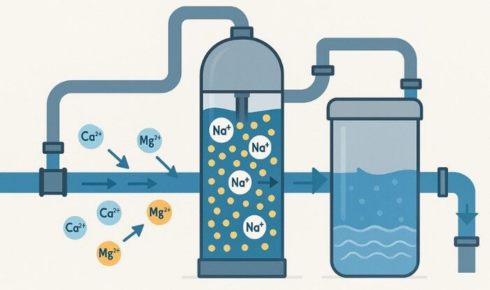
Hard water doesn’t break things overnight. It’s more patient than that. It leaves scale inside pipes, coats heating elements, and slowly reduces efficiency. Showers take longer to rinse clean. Detergent usage creeps up. Maintenance costs quietly rise.
Many homeowners don’t realize how much effort they’re putting into working around hard water until it’s gone. When water softeners enter the picture, the most common reaction isn’t excitement—it’s relief. Dishes come out cleaner. Laundry feels lighter. Faucets stop crusting over every other week.
It’s not flashy. It’s just easier.
Water treatment as a lifestyle choice
There’s an interesting shift that happens when people improve their water. The focus moves away from fixing problems and toward comfort. Water becomes something you trust instead of tolerate.
Some notice their skin calms down. Others stop buying bottled water without consciously deciding to. Plants respond better. Even pets seem to drink more freely. These changes aren’t always dramatic, but they’re consistent.
And consistency is what makes a system feel worth it.
Not all water needs the same solution
One mistake people make early on is assuming there’s a universal fix. There isn’t. Water quality varies by region, source, and even season. What works perfectly in one home may feel unnecessary in another.
That’s why thoughtful systems tend to be modular. You address hardness if that’s the issue. You improve taste and odor where it matters most. You don’t overcorrect or underdo it.
This is especially true when it comes to systems designed for what you actually drink.
The personal side of what you consume
There’s something deeply personal about the water you drink. It’s not just about hydration. It’s about trust. Parents want to feel confident filling a glass for their kids. Homeowners want coffee to taste like coffee, not whatever the pipes added overnight.
Well-designed drinking water systems focus on that point-of-use experience. They remove what you don’t want while keeping what makes water feel natural. The goal isn’t sterility. It’s balance.
And when that balance is right, you stop thinking about it entirely.
Convenience beats complexity every time
No one wants another chore. That’s why the best systems fade into the background once installed. They don’t demand constant filter changes or complicated settings. They don’t beep for attention or require an instruction manual every six months.
People stick with solutions that respect their time. When maintenance is minimal and performance is consistent, water treatment stops feeling like a project and starts feeling like infrastructure—quiet, dependable, and mostly invisible.
That’s a good thing.
Long-term thinking in a short-term world
It’s tempting to look for quick fixes. Pitcher filters. Faucet attachments. Temporary solutions that promise immediate improvement. And sometimes, those are enough. But for homeowners thinking long-term, whole-home approaches make more sense.
They protect appliances, plumbing, and comfort all at once. They reduce wear instead of reacting to it. Over years, not months, that difference matters.
Water doesn’t ask for much. It just flows. But how you treat it shapes how it treats you back.
A softer ending, not a hard conclusion
Improving your home’s water isn’t about chasing an ideal or following a trend. It’s about noticing what feels off and deciding it doesn’t have to stay that way. It’s about small upgrades that quietly improve everyday life.
When water starts working with you instead of against you, you don’t celebrate it. You just notice that mornings feel smoother. Chores take less effort. Your home feels calmer in a way that’s hard to explain but easy to appreciate.
And in the end, that’s what good water really does. It steps back, lets life happen, and asks for very little in return.