Most of us don’t wake up thinking about water. We turn on the tap, fill a glass, step into the shower, and move on with the day. It’s background noise—until it isn’t. Until your tea tastes a little off. Until white spots show up on every dish no matter how carefully you rinse. Until your skin feels tight and itchy for reasons you can’t quite explain.
That’s usually when people start asking questions. Not dramatic ones. Just small, practical thoughts like, “Is this normal?” or “Why does my water feel different than it used to?” And those questions tend to lead somewhere interesting.
When “Clean” Water Still Feels Wrong
Municipal water standards are designed to make water safe, not necessarily pleasant. That’s an important distinction. Water can meet safety guidelines and still carry chlorine odors, excess minerals, or trace elements that affect taste and comfort.
Many homeowners assume these annoyances are just part of modern life. You buy better soap. You switch detergents. You shrug and accept it. But there’s another option—one that doesn’t involve masking the problem.
Thoughtful water filtration focuses on removing what you don’t need while keeping what you do. It’s not about stripping water down to nothing; it’s about balance. When filtration is done right, the difference shows up in small, daily moments. Coffee tastes smoother. Ice cubes look clearer. Even the smell of the tap changes—subtle, but noticeable.
The Mineral Conversation Nobody Warned You About
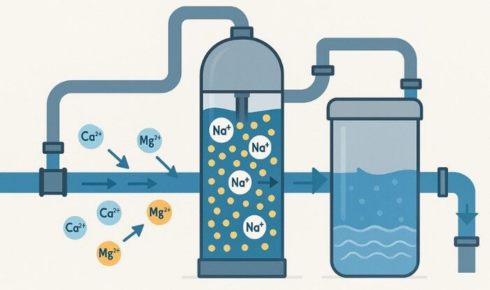
Hard water is one of those issues that sneaks up on people. It’s rarely dangerous, but it’s incredibly persistent. Minerals like calcium and magnesium leave behind scale that coats pipes, clogs fixtures, and quietly wears down appliances over time.
At first, it just looks like residue. Then you realize your water heater isn’t as efficient as it used to be. Your showerhead keeps clogging. Soap doesn’t lather, no matter how much you use.
This is where water softeners tend to enter the conversation. Despite the name, they’re not about making water “soft” in a luxurious sense. They’re about preventing mineral buildup that costs money and time in the long run. Softer water can extend appliance life, reduce cleaning effort, and even lower energy bills by helping heating systems run more efficiently.
People often say, “I didn’t realize how much of a difference it would make.” That’s the common thread. You don’t miss the problem until it’s gone.
Taste Is Personal—and So Is Trust
Drinking water habits say a lot about trust. If you rely heavily on bottled water, chances are you don’t fully trust what’s coming out of your tap. And honestly, that’s understandable. Taste and smell are powerful signals, even when water is technically safe.
Some households turn to advanced systems like reverse osmosis to address this. These setups are especially popular for drinking and cooking water because they remove a wide range of dissolved solids. The result is a clean, neutral taste that doesn’t interfere with food or beverages.
But it’s not about chasing purity for its own sake. It’s about confidence. When you trust your water, you drink more of it. You cook with it without second-guessing. You stop hauling plastic bottles home every week. That shift alone can change daily routines in surprisingly positive ways.
Not Every Home Needs the Same Fix
One of the biggest mistakes people make is assuming there’s a universal solution. There isn’t. Water quality varies widely depending on location, source, and even seasonal changes. Two houses on the same street can have noticeably different water characteristics.
That’s why the smartest approach starts with testing and observation. What’s actually in your water? What bothers you the most—taste, scale, dryness, or all of the above? A system that works beautifully for one household might be overkill or ineffective for another.
The goal isn’t to install the most complex setup available. It’s to solve the right problem in a way that fits your lifestyle.
The Emotional Side of Better Water
This part doesn’t get talked about enough. Improved water quality isn’t just practical—it’s emotional. There’s comfort in knowing your home is working with you, not against you. That your daily routines aren’t quietly eroding your appliances or irritating your skin.
Parents often notice changes first in their kids. Fewer complaints about itchy skin. Less dryness in the winter. It’s subtle, but meaningful. And over time, those small improvements stack up into something that just feels… better.
There’s also peace of mind in reducing waste. Fewer plastic bottles. Less reliance on quick fixes. It feels like aligning your home with your values, even in a small way.
Maintenance Without the Headache
A common fear is that water systems are complicated and high-maintenance. That used to be true. Not so much anymore. Modern setups are designed to be efficient, predictable, and relatively hands-off.
Most maintenance involves simple, scheduled checks—filter changes, salt refills, occasional inspections. Nothing dramatic. And compared to constant appliance repairs or buying bottled water, it often ends up being the easier route.
The key is understanding what you’re installing and why. When expectations are clear, satisfaction tends to follow.
A Long-Term Perspective Worth Considering
Water improvements don’t deliver instant, flashy results like a kitchen remodel. They work quietly. In the background. And that’s kind of the point.
Months down the line, you might notice fewer repairs, lower cleaning effort, and a general sense that your home runs more smoothly. You stop thinking about water because it’s no longer a problem. That’s success.
In a world full of upgrades that promise transformation, improving water quality is refreshingly honest. It doesn’t change who you are. It just makes everyday life a little easier, a little healthier, and a lot more comfortable.