Water has a way of becoming part of the background of everyday life. We turn on the kitchen tap, fill a glass, start the washing machine, and get on with our day. It’s only when something changes that we begin asking questions. Maybe the water tastes different, white deposits keep appearing around the faucets, or the shower seems to leave more residue than it used to. These little frustrations can be signs that your home’s water deserves a closer look.
The tricky part is knowing where to begin. With so many filters, conditioners, and treatment devices on the market, choosing a solution can feel like trying to solve a puzzle without all the pieces. A better approach is to understand your water first, consider how technology can help, and select equipment that addresses your household’s actual needs.
Start With Answers, Not Assumptions
Water quality isn’t identical from one property to another. Two homes on the same street can experience different issues because of their plumbing, water source, existing equipment, or the condition of their pipes. Municipal water is generally treated before distribution, but mineral content and other characteristics can still vary. Private wells have their own considerations, including changes caused by rainfall, surrounding land use, and local geology.
Household symptoms can provide useful clues. White scale often points toward hard water, while reddish stains may be associated with iron. A chlorine-like taste, unusual odor, or cloudy appearance may have several possible explanations. These observations are worth noting, but they don’t tell the whole story. Some contaminants cannot be detected reliably through taste, smell, or appearance alone.
That’s why water testing & lab analysis can be such an important starting point. The appropriate test depends on the water source and the concern being investigated. A basic hardness test may help identify mineral-related problems, while questions involving bacteria, lead, nitrates, or other health-related contaminants may require more specialised testing through a certified laboratory.
When reviewing test results, look beyond a simple pass-or-fail statement. Ask what was measured, how the results compare with relevant standards, and whether any follow-up is recommended. Understanding the findings makes it easier to avoid buying equipment that doesn’t address the actual problem.
How Smart Technology Can Make Water Management Simpler
Technology has changed the way homeowners manage heating, lighting, security, and energy use. Water systems are gradually becoming part of that conversation, too. Smart monitoring features can help people understand how water moves through a property and, in some cases, identify unusual patterns that might otherwise go unnoticed.
For example, a sudden change in water use could indicate a running toilet, an overlooked tap, or a possible leak. Some connected monitoring devices can track consumption, send alerts, or provide information through a mobile application. Depending on the product, certain systems may also support automatic shutoff when a potential leak is detected.
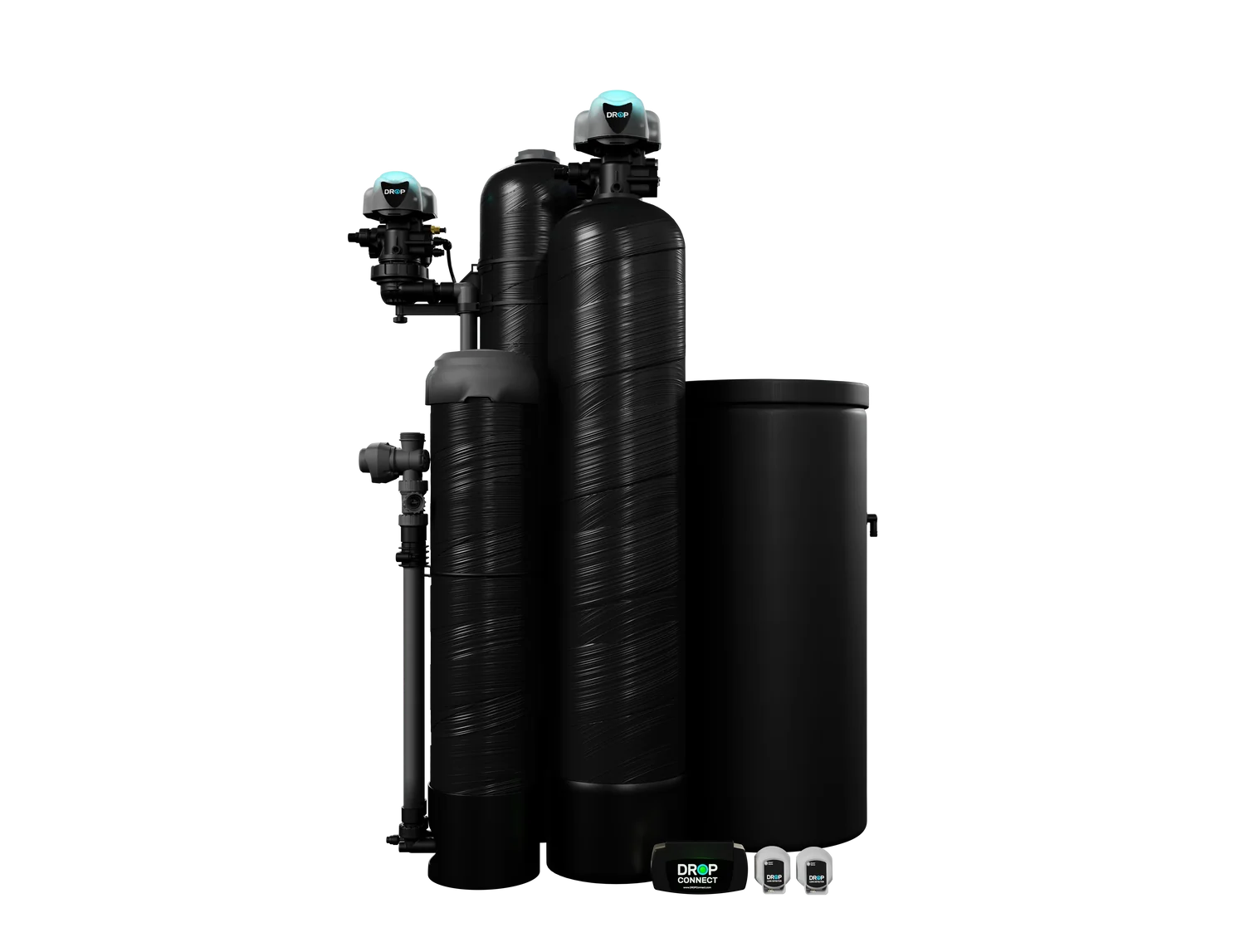
Solutions such as DROP Smart Home illustrate the growing interest in connected water management. When evaluating a smart system, homeowners should check exactly what it monitors, whether it is compatible with the existing plumbing, and what happens when an alert is triggered. Some products focus on monitoring, while others offer additional control features. Those capabilities shouldn’t be assumed to be identical across every device.
Smart technology is useful, but it isn’t a substitute for proper plumbing maintenance or appropriate water testing. A monitoring system may indicate unusual usage without identifying the precise cause. Likewise, an alert does not necessarily mean that a leak has occurred. The information is most valuable when homeowners understand what it means and know how to respond.
Dealing With Hard Water Throughout the House
Hard water is a common source of everyday annoyance. It contains elevated concentrations of dissolved minerals, mainly calcium and magnesium. These minerals can leave deposits on shower screens, faucets, kettles, and water heaters. Soap may also produce less lather, leaving some people feeling as though they need extra cleaning products to get the job done.
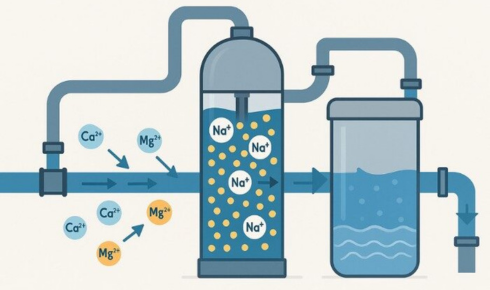
For households experiencing persistent scale, water softeners may be worth considering. Traditional ion-exchange systems reduce hardness by exchanging calcium and magnesium ions for other ions, commonly sodium. This can help reduce mineral buildup and make cleaning easier.
However, a softener has a specific purpose. It should not be treated as a universal purifier or assumed to remove bacteria, lead, and every other unwanted substance. The right choice depends on the water analysis, household demand, installation conditions, and maintenance preferences.
Before purchasing a unit, consider how much water your family uses each day. A system must be sized appropriately to handle normal demand without unnecessary regeneration or inconvenience. Traditional softeners also require periodic maintenance, including replenishing salt and checking that regeneration is working correctly.
Some homeowners have concerns about the sodium added during softening. If that matters to your household, discuss the options with a qualified water-treatment professional. Depending on the circumstances, a separate drinking-water line or another treatment arrangement may be appropriate.
Choosing Filtration That Matches Your Needs
Once the main water concerns are understood, choosing equipment becomes a more manageable task. Different filtration technologies serve different purposes, and the best system is the one designed to address the substances identified through testing.
Sediment filters can capture suspended particles before they reach fixtures or other equipment. Activated carbon may reduce particular tastes, odors, and selected compounds, depending on the filter’s design. Reverse osmosis systems can reduce many dissolved substances in drinking water, provided the selected unit is suitable for the contaminants involved.
Whole-house systems treat water as it enters the property, which can be useful when a concern affects several fixtures. Point-of-use systems, on the other hand, treat water at a particular location, such as the kitchen sink. A smaller drinking-water system may be enough when the primary concern is limited to water used for cooking and drinking.
Before making a decision, review the manufacturer’s performance claims and any relevant independent certifications. Find out which substances the equipment is designed to reduce, how much water it can process, and how frequently its filters or other components need replacing. A product with many stages isn’t automatically more suitable than a simpler system.
Don’t Forget the Cost of Keeping It Working
The initial purchase price is only one part of the investment. Installation, replacement filters, salt, electricity, water use, and periodic servicing can all affect the long-term cost. A system that appears affordable at first may become less attractive if replacement components are expensive or difficult to obtain.
Ask for a clear estimate that explains what installation includes and whether any plumbing modifications are required. It’s also sensible to understand which maintenance tasks you can handle yourself and which should be completed by a qualified technician.
Keep records of filter changes, service visits, and water-test results. If the water’s taste changes, pressure drops, or the original problem returns, those records can help identify what needs attention. For private wells, follow appropriate testing guidance and arrange additional checks when conditions change or contamination is suspected.
A Practical Approach to Better Water
Improving household water doesn’t have to involve the most expensive equipment or the latest technology. It begins with asking the right questions and using reliable information to guide the next step.
Test when necessary, understand what the results mean, and compare treatment options based on their documented performance. Consider smart monitoring if it suits your household, and choose filtration or softening equipment that addresses a genuine need. Just as importantly, make maintenance part of the plan from the beginning.
Water may not be the most exciting home improvement topic, but it affects daily comfort in ways that are hard to ignore when something goes wrong. With a thoughtful approach, you can make better-informed choices, manage your water system more confidently, and avoid spending money on solutions that don’t fit your home.