There’s a quiet assumption most of us carry—that water coming into our homes is “good enough.” It looks clear, it flows when needed, and for the most part, it does its job without complaint. So we don’t question it.
But then something shifts. Maybe your kettle starts showing buildup sooner than expected. Or your skin feels a little dry after showers. Sometimes it’s the taste—nothing dramatic, just slightly off.
That’s usually when curiosity creeps in.
When “Good Enough” Doesn’t Feel Right
Water quality isn’t always about safety—it’s often about comfort. Small things that don’t necessarily make water unusable, but definitely make it less enjoyable.
That’s where water treatment systems start to make sense. Not because something is dangerously wrong, but because there’s room for improvement. These systems are designed to refine what’s already there—removing unwanted minerals, balancing composition, and making everyday water feel… better.
It’s a subtle upgrade, but one you notice over time.
Hard Water Has Its Own Personality
If you’ve ever dealt with hard water, you know it’s not always obvious at first. It doesn’t announce itself loudly.
But then you start seeing signs.
White residue on faucets.
Soap that doesn’t quite lather the way it should.
Clothes that feel a bit stiff after washing.
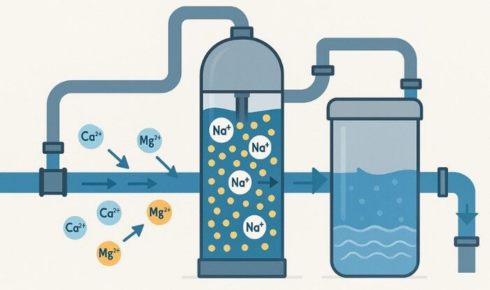
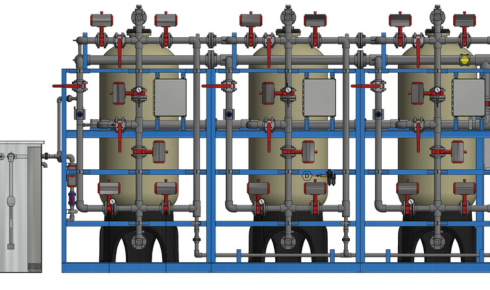
That’s where residential and commercial water softeners come into play. They work by reducing the minerals—mainly calcium and magnesium—that cause hardness. The result? Water that feels smoother, behaves better, and leaves fewer traces behind.
It’s not a dramatic transformation. But it’s enough to make daily routines feel easier.
When Iron Leaves Its Mark
Iron in water is a different kind of issue. It’s not just about feel—it’s about visibility.
You might notice reddish stains in sinks or tubs. Metallic taste in drinking water. Laundry that doesn’t quite come out the way it should.
This is where iron filter systems become essential. They target specific contaminants, removing excess iron before it reaches your taps. The difference is often immediate—cleaner surfaces, better-tasting water, fewer maintenance headaches.
And once you’ve seen the contrast, it’s hard to go back.
Not Every Home Needs Everything
One of the biggest misconceptions about water treatment is that you need a full, complex system to see results.
That’s not always true.
Some homes benefit from a simple softener. Others need targeted filtration for specific issues. And in many cases, a combination works best—but only when it’s tailored to actual needs.
The key is understanding your water before choosing a solution. Testing, observing, and asking the right questions can save you from overcomplicating things.
Because more equipment doesn’t always mean better results.
The Shift You Don’t Expect
What’s interesting about improving water quality is how gradually it changes your perspective.
At first, it’s just a practical decision. Fixing a minor annoyance, improving a small detail. But over time, it becomes part of how you experience your home.
Water tastes cleaner.
Appliances last longer.
Cleaning feels easier.
These aren’t dramatic changes. But they add up in ways you notice more than you expect.
Maintenance That Feels Manageable
The idea of maintaining water systems can sound like a lot. But in reality, it’s usually straightforward.
Replacing filters when needed.
Checking salt levels in softeners.
Keeping an eye on system performance.
These tasks don’t take much time, and they quickly become routine. Once you get into the habit, it doesn’t feel like extra work—it just feels like part of keeping your home running smoothly.
A Balance Between Awareness and Simplicity
It’s easy to go too far with water treatment—adding systems, tweaking settings, chasing perfection.
But most people don’t need perfect water. They need reliable, comfortable water that fits their daily life.
That’s where balance comes in.
Understand your needs, choose solutions that make sense, and keep things as simple as possible. That approach tends to work better than chasing every possible improvement.
Final Thoughts
Water is one of those things that fades into the background when everything is working well. You don’t think about it—you just use it.
But when you take a closer look, even small improvements can make a noticeable difference. Not in a dramatic, life-changing way, but in the quiet details that shape your everyday routine.
And maybe that’s the point.
It’s not about fixing something broken. It’s about making something essential feel just a little bit better.