The moment you start noticing your water
It usually doesn’t happen all at once. There’s no big “aha” moment where you suddenly decide your water isn’t good enough. Instead, it creeps in. Maybe your shower leaves your skin feeling a bit tight, or your kettle builds up that chalky layer quicker than it should. Sometimes it’s just the taste—nothing terrible, just… off.
That’s how it starts for most people. A small doubt, then curiosity, and eventually the realization that water quality isn’t something you have to just accept.
When “normal” water isn’t really working
Water flows through almost everything we do at home—cooking, cleaning, bathing, even making your morning tea. So when it’s not quite right, the effects stack up. Appliances wear down faster, laundry doesn’t feel as fresh, and your plumbing quietly suffers in the background.
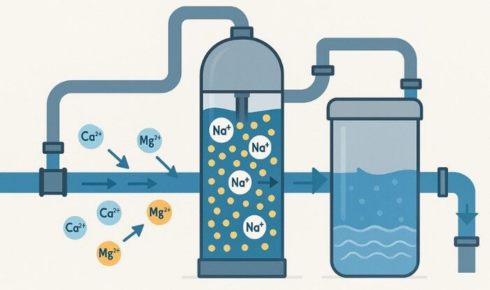
Hard water, especially, tends to be the silent culprit. It’s loaded with minerals like calcium and magnesium, which sound harmless enough but leave behind scale that clings to pipes, taps, and heating systems. Over time, that buildup becomes more than just a cosmetic issue.
The subtle difference a good system makes
This is where things get interesting. Because once people start looking into solutions, they realize it’s not just about fixing a problem—it’s about improving everyday life in a way that’s surprisingly noticeable.
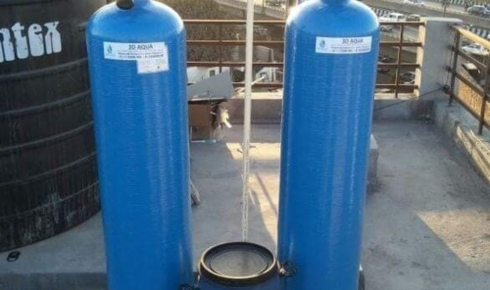
A salt based water softener is one of those solutions that doesn’t shout for attention but makes a consistent difference. It works by removing those excess minerals from your water, which in turn helps everything else function better. Your soap lathers properly, your skin feels less dry, and your appliances don’t have to work overtime.
And the best part? You don’t have to think about it constantly. It just does its job in the background, quietly improving your day-to-day routine.
Not all systems are created equal
Of course, once you start exploring options, you’ll notice there’s a wide range of products out there. Some are built for short-term fixes, while others are designed with longevity in mind.
It’s tempting to go for the cheapest option, especially if you’re just testing the waters (no pun intended). But water systems are one of those things where quality really does matter. A well-built unit tends to last longer, perform more reliably, and ultimately save you money in the long run.
That’s why many homeowners pay attention to features like a lifetime warranty. It’s not just a marketing phrase—it’s a signal that the manufacturer stands behind their product. And when you’re investing in something that impacts your entire home, that kind of reassurance goes a long way.
Trust is built over time, not promises
There’s also a human side to all of this. Let’s be honest—buying a water system isn’t exactly exciting. It’s practical, necessary, but not the kind of purchase you make lightly. You want to know it’s going to work, that it won’t become another thing to worry about.
That’s where trust comes in. Not just in the product, but in the company behind it. When brands offer things like satisfaction guaranteed, it’s their way of saying, “We’re confident you’ll notice the difference.” And while guarantees alone shouldn’t make your decision, they do add a layer of comfort.
After all, you’re not just buying a device—you’re investing in how your home feels.
Small improvements that add up
What surprises most people isn’t the science behind water treatment—it’s how quickly they notice the change. Showers feel softer. Dishes come out cleaner. Even your morning coffee tastes a bit smoother, though you might not be able to explain exactly why.
These aren’t dramatic, life-altering shifts. They’re small, consistent improvements that make everyday tasks feel easier. And over time, those little changes add up to something meaningful.
A more thoughtful way to think about water
At the end of the day, upgrading your water isn’t about chasing perfection. It’s about paying attention to something that’s been quietly affecting your daily life all along.
We often focus on visible upgrades—new furniture, fresh paint, modern appliances. But water? It’s invisible, easy to overlook. And yet, it touches almost everything we do.
So maybe it’s worth taking a step back and asking a simple question: is your water working for you, or are you just working around it?
Because once you experience the difference, it’s hard to go back. And that, more than anything, is what makes it worth considering.