Water is one of those things we rarely think about until something doesn’t seem quite right. Maybe you’ve noticed stubborn white deposits around your kitchen faucet, drinking water that tastes unpleasant, or freshly washed towels that feel rough despite using plenty of detergent. These little frustrations can gradually become part of everyday life.
For homeowners and business owners exploring water filtration & water softening in knoxville, understanding the differences between treatment methods is an important first step toward improving water quality.
Good water treatment isn’t necessarily about installing the most expensive equipment available. It’s about identifying what’s happening with your water and finding a practical solution that fits your property, daily routine, and budget.
Understanding What’s Really in Your Water
Water can appear perfectly clear and still contain dissolved minerals or other substances that affect its quality. Calcium and magnesium, for example, contribute to water hardness and can cause mineral deposits on plumbing fixtures and household appliances.
Other concerns may include sediment, unpleasant odors, or noticeable differences in taste.
Working with reliable local water treatment services can help property owners identify these issues through appropriate testing rather than relying entirely on appearance or guesswork.
Water quality can vary depending on the source, distribution system, and condition of a property’s plumbing.
A household using municipal water may experience different concerns from a property relying on a private well. Understanding those differences makes it easier to choose equipment that addresses actual problems rather than unnecessary ones.
Why Homes and Businesses Have Different Water Treatment Needs
Every property uses water differently. A family might be concerned about drinking water quality and bathroom maintenance, while a restaurant owner may worry about equipment performance and beverage taste.
Effective residential and commercial water treatment involves considering water consumption, existing plumbing, specific water quality concerns, and the demands placed on treatment equipment.
Commercial properties often require systems designed to accommodate higher flow rates and greater water usage. Residential systems, meanwhile, may prioritize everyday convenience and manageable maintenance requirements.
Choosing appropriately sized equipment matters. An undersized system may struggle during periods of heavy usage, while an unnecessarily large installation could increase expenses without providing meaningful advantages.
Water Filtration and Softening Aren’t the Same Thing
People sometimes assume that installing a water filter will automatically solve hard water problems. Unfortunately, that’s not necessarily how it works.
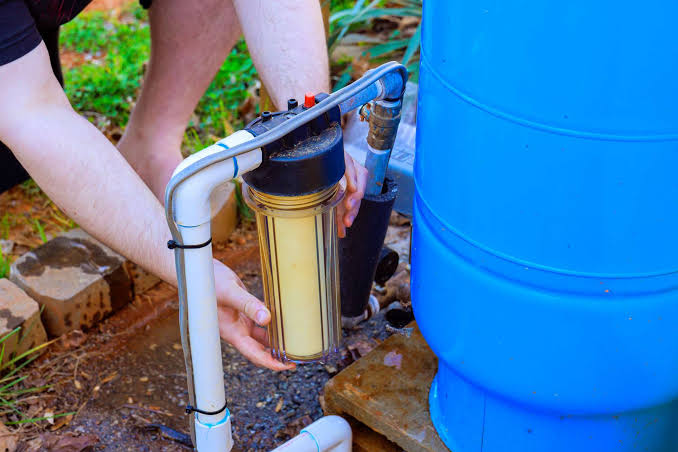
Water filtration systems are designed to reduce specific unwanted substances, depending on the filtration technology used. Sediment filters capture suspended particles, while activated carbon filters can reduce chlorine taste and odor.
Water softeners address a different concern. Conventional ion-exchange softeners reduce hardness by exchanging calcium and magnesium ions for sodium or potassium ions.
If your main frustration involves mineral buildup around faucets or spots on glassware, softening might be particularly useful.
However, if unpleasant drinking water taste is your primary concern, suitable filtration could be a better starting point.
Some properties benefit from combining both treatment methods.
Protecting Household Appliances From Hard Water Buildup
Hard water can create more than cosmetic problems around the house.
Over time, mineral deposits may accumulate inside water heaters, dishwashers, and other water-using appliances. This buildup can contribute to reduced efficiency and additional maintenance requirements.
You might also find yourself spending more time scrubbing shower screens or removing stubborn deposits from bathroom fixtures.
A properly selected water softener can help reduce new hardness-related buildup, making everyday cleaning a little less frustrating.
Softened water may also improve soap and detergent performance, allowing homeowners to use smaller quantities in certain situations.
These benefits might seem modest individually, but they can become noticeable over months and years of regular household use.
Improving the Water You Drink and Cook With
Nobody particularly enjoys drinking water with an unpleasant taste or unusual smell.
For households concerned about drinking water quality, dedicated point-of-use filtration systems offer a practical option.
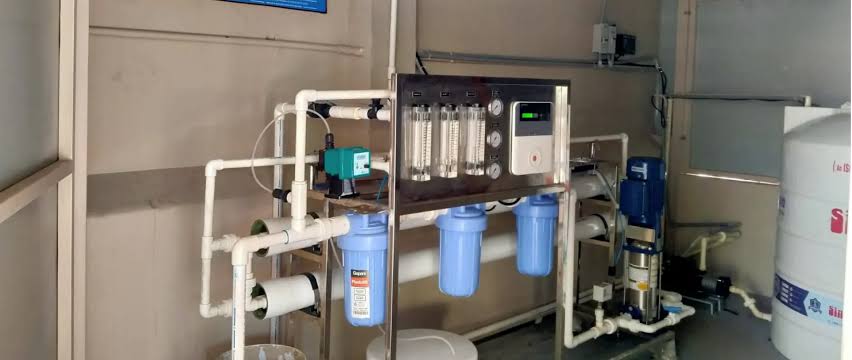
Under-sink reverse osmosis systems, for example, can reduce many dissolved substances when properly selected and maintained. Carbon filtration may be suitable for addressing certain taste and odor concerns.
The right choice depends on water testing results and the substances you want to reduce.
Always review a system’s verified contaminant reduction claims rather than assuming every filtration product delivers the same results.
Having convenient access to better-tasting drinking water may also reduce dependence on single-use bottled water, which is a welcome advantage for many families.
Remember That Maintenance Matters
Installing water treatment equipment is only part of the process. Regular maintenance helps ensure that the system continues performing as intended.
Filters eventually need replacing, conventional softeners require salt or potassium replenishment, and certain treatment systems benefit from periodic professional inspections.
Ask about maintenance requirements before purchasing equipment. Understanding ongoing expenses and responsibilities can help you make a more informed decision.
It’s much easier to follow a sensible maintenance routine than deal with unexpected performance problems later.
Investing in Water Quality That Makes Sense for Your Property
Improving water quality doesn’t have to become an overwhelming home improvement project.
Start with appropriate testing, identify your biggest concerns, and explore treatment options that address those specific needs.
For Knoxville homeowners and business owners, a thoughtfully selected system can make everyday routines more convenient while helping protect water-using equipment.
The benefits aren’t always dramatic or immediately obvious. Sometimes, they’re found in cleaner-looking glassware, better-tasting coffee, or less time spent removing mineral deposits.
And when you consider how frequently you use water throughout the day, improving its quality becomes an investment worth taking seriously.