
There’s something oddly comforting about turning on the tap and not thinking twice. You fill a glass, maybe rinse some fruit, or let the shower run a bit longer than you should. It’s routine, almost invisible. But if you pause for a second—really pause—you start to realize how much trust we place in that water.
And truth be told, not all water is created equal.
I’ve had conversations with homeowners who swear their water is “fine” until they notice subtle things: a faint metallic taste, stubborn stains in the sink, or hair that feels different after a wash. These aren’t dramatic problems, but they’re signals. Quiet ones.
When “Looks Fine” Isn’t Actually Fine
Water can be deceiving. It might look crystal clear and still carry minerals, chemicals, or even contaminants you wouldn’t expect. In many regions, especially where groundwater is the main source, quality can vary wildly from one house to the next.
That’s where modern water quality solutions come into the picture—not as luxury add-ons, but as practical tools for everyday living. We’re talking about systems that quietly do their job in the background, removing what shouldn’t be there and keeping what matters.
But here’s the thing: people often wait until something feels “off” before taking action. And by then, the signs have usually been there for a while.
The Subtle Signs We Ignore
Sometimes it’s the soap that doesn’t lather properly. Or the kettle that builds up scale faster than it should. Maybe your clothes feel a bit rough after washing, or your skin gets dry for no obvious reason.
None of these scream “water problem” at first glance.
But they add up.
Hard water minerals like calcium and magnesium can leave behind deposits that slowly affect appliances and plumbing. Iron can stain fixtures. Sulfur can bring that unmistakable rotten egg smell—hard to forget once you’ve experienced it.
And then there are the things you can’t see at all.
A Closer Look at Groundwater Challenges
If your home relies on a private source, things get a bit more personal. Unlike municipal systems, where water is treated centrally, private wells depend heavily on local geology and environmental factors.
That’s why well water treatment isn’t a one-size-fits-all situation. One household might struggle with iron, another with bacteria, and someone else with high mineral content. It’s almost like each well tells its own story.
I remember a case where a family thought their plumbing was failing. Turned out, it was just high iron content reacting with oxygen, leaving rusty deposits everywhere. Once treated properly, the “problem” vanished almost overnight.
It’s funny how often the solution is simpler than the symptoms suggest.
Filtration Isn’t Just About Drinking
When people hear “water filtration,” they often think of that one tap in the kitchen. Maybe a small purifier or a pitcher in the fridge. And yes, that matters—but it’s only part of the picture.
Water touches nearly every part of your day.
You shower in it. Cook with it. Wash your clothes and dishes with it. Even your home’s plumbing depends on its quality. So when water isn’t balanced or clean, the effects ripple out in ways you don’t immediately connect.
Whole-home systems, softeners, or targeted filters aren’t about overengineering your house—they’re about making everyday experiences smoother, quite literally.
The Comfort of Knowing What You’re Using
There’s a certain peace of mind that comes from understanding your water. Not guessing, not assuming—knowing.
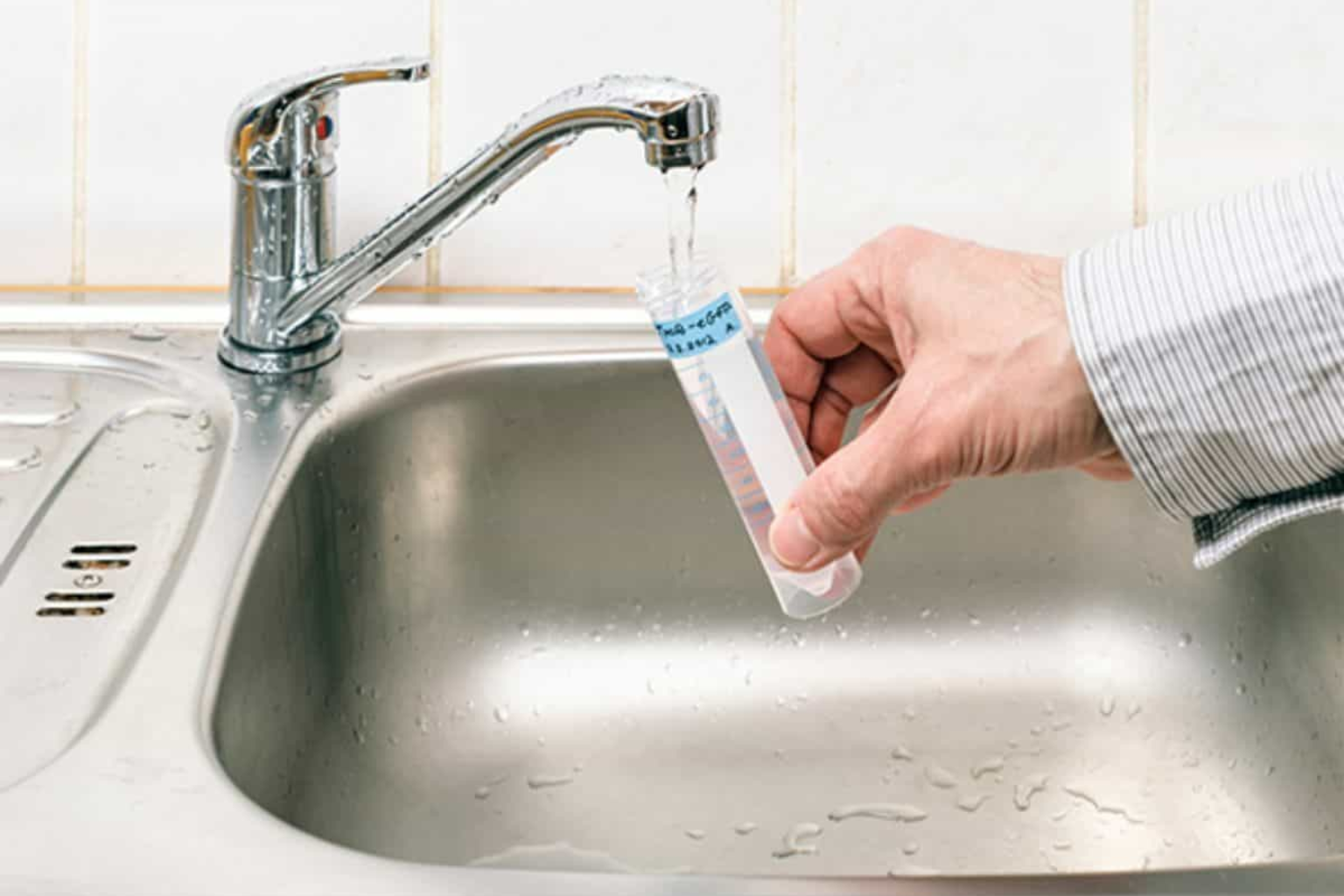
Testing is often the first step, and it’s surprisingly straightforward. Once you have that information, everything else becomes clearer. You’re no longer throwing random fixes at the problem; you’re addressing it with intention.
And that’s when things shift from uncertainty to control.
Because at the end of the day, what most of us really want is simple: healthy drinking water that we can trust without overthinking it.
It’s Not Just About Health—It’s About Living Better
We often frame water quality as a health issue—and it absolutely is—but it’s also about comfort, convenience, and even cost.
Better water can mean longer-lasting appliances, fewer plumbing repairs, softer laundry, and less time scrubbing away buildup. It’s the kind of improvement that doesn’t shout for attention but quietly makes life easier.
Think about it: when your water works with you instead of against you, everything feels just a bit more effortless.
So, Where Do You Start?
Not with the most expensive system. Not with the most complex setup.
You start by paying attention.
Notice how your water tastes, smells, and behaves. Look at your fixtures, your appliances, your daily routines. If something feels slightly off, it’s worth exploring.
From there, a simple test can open the door to understanding what’s really going on beneath the surface.
And once you know, you’re in a much better position to choose what makes sense for your home—nothing more, nothing less.
A Final Thought, Quiet but Important
We spend a lot of time thinking about what we eat, what we wear, even the air we breathe. But water? It tends to slip under the radar.
Maybe because it’s always there.
But that’s exactly why it matters.
Clean, balanced water doesn’t demand attention—it supports everything else that does. And when you get it right, you don’t just notice the difference… you feel it, in small, everyday ways that add up over time.
And honestly, that’s the kind of upgrade that doesn’t need a sales pitch. It just makes sense.