There’s something oddly reassuring about turning on the tap and seeing clear water flow out. It looks clean, feels harmless, and most of us rarely question it. But here’s the uncomfortable truth—clarity doesn’t always mean quality. And once you start paying attention, you realize your water might be quietly telling a story you’ve never really listened to.
Maybe it’s the way your skin feels a bit dry after a shower. Or how your kettle builds up that chalky residue faster than it should. Small things, easy to ignore. Until they’re not.
Why “Looks Fine” Isn’t Always Enough
Water is tricky like that. It doesn’t always show obvious signs when something’s off. You won’t necessarily see contaminants or smell minerals. But they’re there, often working behind the scenes—affecting taste, appliances, even your day-to-day comfort.
A lot of homeowners assume if there’s no major issue, there’s nothing to fix. But water quality isn’t just about avoiding problems. It’s about improving everyday experiences in ways that are subtle but meaningful.
And that’s where the idea of testing comes in—not as a reaction, but as a starting point.
Starting With a Simple Check
For many people, the first real step toward better water begins with free water testing. It’s a low-pressure way to understand what’s actually coming through your pipes. No guessing, no assumptions—just data.
And honestly, the results can be surprising. Some discover high mineral content they never suspected. Others find traces of chlorine or sediment that explain that faint aftertaste they’ve gotten used to.
It’s a bit like getting a health check-up. You might feel fine, but knowing what’s going on internally gives you a clearer picture of what, if anything, needs attention.
Digging Deeper Into the Details
Once you’ve taken that first step, things tend to get more specific. Basic testing is helpful, sure—but sometimes you need a closer look. That’s where custom water analysis becomes valuable.
This isn’t just about identifying common issues. It’s about understanding your water in context—your location, your plumbing system, even your usage patterns. Two homes on the same street can have slightly different water profiles, which is something many people don’t realize.
And those small differences? They can influence what kind of solution actually works.
It’s less about finding a generic fix and more about uncovering what’s unique to your situation. That’s where things start to feel a bit more… tailored, I guess.
There’s No One-Size-Fits-All Fix
This is probably the part that surprises people the most. Once you know what’s in your water, the next step isn’t always obvious. There isn’t a universal “best system” that works for everyone.
Instead, solutions tend to evolve into what professionals call tailored treatment plans. It sounds technical, but really, it’s just a thoughtful way of matching the solution to the problem.
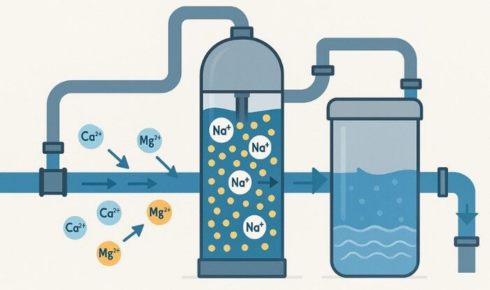
If your water is mostly hard, softening might be the priority. If contaminants are the concern, filtration becomes more important. Sometimes, it’s a combination of both—layered in a way that makes sense for your home.
And that’s the key. Not overdoing it, not underestimating it—just getting it right.
The Everyday Impact You Don’t Expect
What’s interesting is how quickly these changes blend into your routine. At first, you notice everything—the way your soap lathers better, how your dishes look clearer, how your drinking water tastes… cleaner, somehow.
But over time, it becomes the new normal.
You stop thinking about it, which is kind of the point. Good water doesn’t demand attention. It just quietly improves things in the background.
Even things like laundry feel different. Clothes seem softer, colors last longer. It’s not dramatic, but it’s there.
And maybe that’s why people stick with these upgrades. Not because they’re flashy, but because they make daily life just a little easier.
When Small Details Start to Add Up
There’s also a long-term side to all of this that’s easy to overlook. Hard water, for example, doesn’t just affect comfort—it slowly wears down appliances. Water heaters, dishwashers, even your plumbing system… they all feel the impact over time.
So when you improve your water quality, you’re not just solving today’s inconveniences. You’re preventing future ones.
It’s one of those rare cases where a small adjustment today can save you a lot of hassle later. And while that might not feel exciting, it’s definitely practical.
Making the Decision Without Overthinking It
If there’s one thing that holds people back, it’s the idea that improving water quality is complicated. Too many options, too much technical jargon—it can feel overwhelming.
But it doesn’t have to be.
Start simple. Understand your water. Ask questions. Take it one step at a time.
Because at the end of the day, this isn’t about chasing perfection. It’s about making informed choices that fit your home, your needs, and your lifestyle.
And once you start paying attention, you’ll probably realize something most people eventually do—better water isn’t a luxury. It’s just a smarter way to live.
A Quiet Upgrade That Changes More Than You Think
It’s funny how something so ordinary can have such a quiet impact. Water doesn’t announce itself. It doesn’t demand upgrades or attention.
But when you take the time to understand it—really understand it—you start to see how much it influences your everyday life.
From the way your home runs to how you feel using it, it’s all connected.
And maybe that’s the takeaway here. Not that your water is “bad” or “good,” but that it has potential. And with a little attention, a bit of curiosity, and the right approach, you can make it better.
Not perfectly, not dramatically—just better in all the ways that matter.