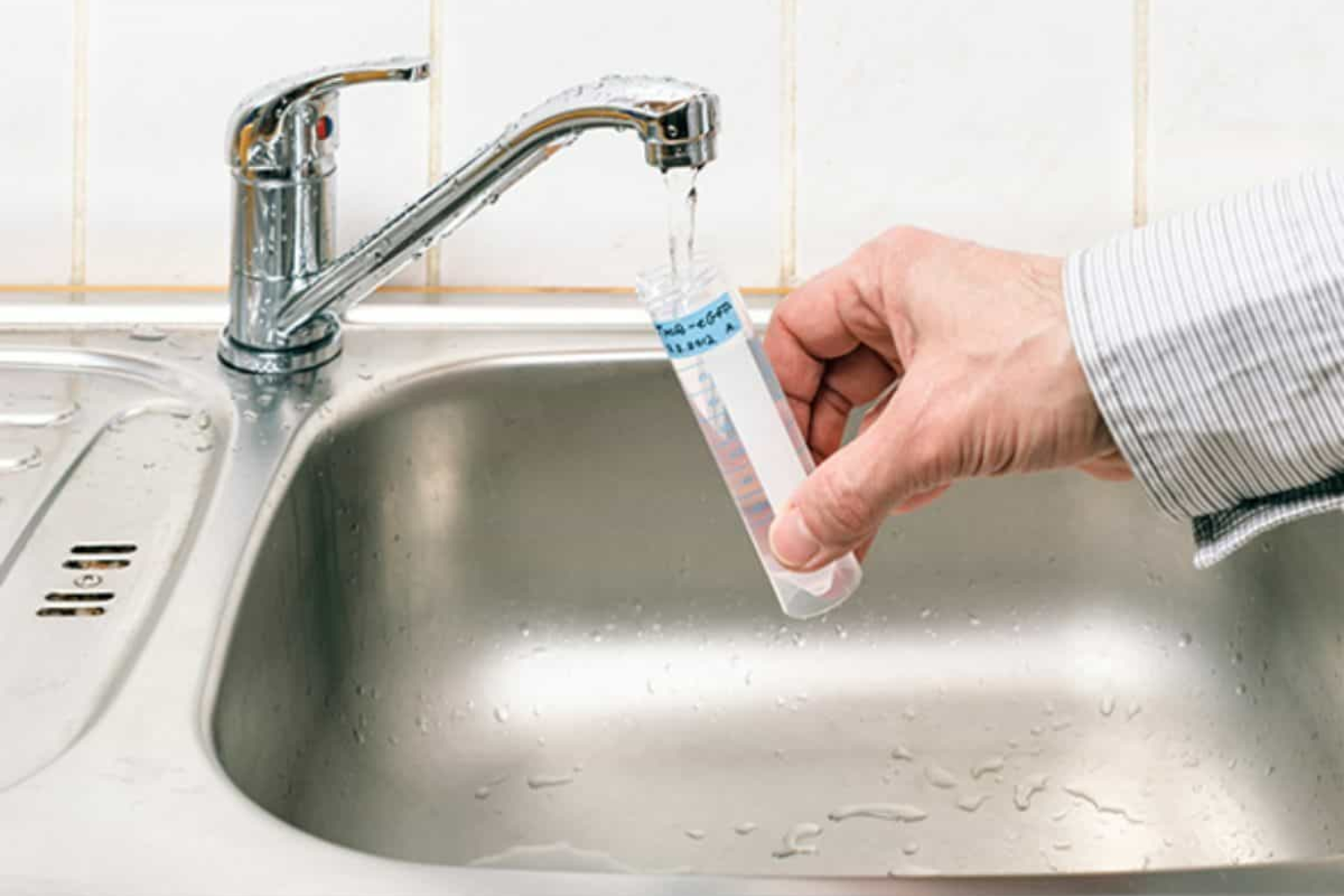
There’s a quiet moment most of us have had — standing in the kitchen, filling a glass straight from the tap, and pausing just a second longer than usual. Maybe it’s the taste. Maybe it’s the faint smell. Or maybe it’s just that subtle doubt creeping in, the kind you can’t quite explain.
Water is one of those things we rarely question… until something feels off. And when it does, it’s hard to ignore.
The Everyday Clues We Learn to Live With
You’d think if water had a problem, it would be obvious. But it’s rarely that dramatic. Instead, it shows up in small, almost forgettable ways.
Soap that doesn’t lather properly. Spots on your dishes no matter how well you rinse. Skin that feels dry even after a long shower. A coffee that tastes just slightly bitter, even when you’ve done everything right.
We adjust. We switch products. We blame weather, pipes, anything else. But deep down, we know something isn’t quite right.
That’s often the moment when people begin looking into free water testing, not out of fear, but curiosity. A simple check, just to understand what’s really going on behind the scenes.
Understanding What’s Really in Your Water
Here’s where things get interesting — and a little surprising.
Water can carry more than just minerals. Depending on where you live, it might include chlorine, sediment, heavy metals, or even traces of other contaminants. None of this is always visible, which makes it easy to overlook.
And yet, these elements affect everything. The taste of your drinking water. The lifespan of your appliances. The way your skin feels after a shower.
Once you start paying attention, it’s hard not to notice the pattern.
Why One-Size-Fits-All Rarely Works
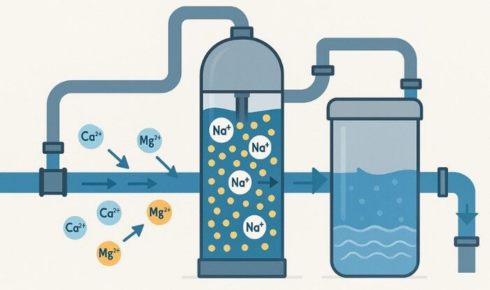
A lot of people assume there’s a universal fix — one system that solves everything. But water doesn’t work that way. It’s different from one home to another, even on the same street.
Some households struggle mainly with hardness. Others deal with odor or taste issues. Some face a mix of concerns that don’t neatly fit into a single category.
That’s where custom water solutions start to make sense. Not as a luxury, but as a practical response to a specific problem. It’s less about installing something impressive and more about choosing what actually works for your situation.
Because fixing the wrong issue? That’s just wasted time and money.
The Ripple Effect You Don’t Expect
What’s surprising isn’t just how water affects one part of your home — it’s how it touches everything.
Your laundry feels different. Softer, somehow. Your dishes come out cleaner without that cloudy film. Your bathroom stays easier to maintain. Even your morning routine feels smoother, though it’s hard to pinpoint exactly why.
It’s like removing a constant, low-level friction you didn’t realize was there.
And slowly, those small changes add up.
It’s Not Just About Taste — It’s About Trust
We often reduce water concerns to taste or smell. But it goes deeper than that. It’s about trust.
Trusting that what you drink is safe. That what your kids drink is safe. That you’re not unknowingly exposing yourself to something avoidable.
That’s why conversations around water quality improvement have become more common. Not because people are suddenly paranoid, but because they’re more aware.
Awareness changes how we make decisions. It makes us pause, ask questions, and sometimes take action.
The Emotional Side No One Talks About
There’s a certain comfort that comes with knowing your home is working the way it should.
Clean water. Reliable systems. Fewer maintenance headaches. It doesn’t sound exciting, but it changes how you feel in your space.
It’s the kind of upgrade that doesn’t show off. No one walks into your house and compliments your water system. But you feel it — every single day.
And honestly, that’s enough.
Starting Small, Thinking Long-Term
If all of this feels overwhelming, it doesn’t have to be.
You don’t need to overhaul everything overnight. Sometimes, it begins with a simple test. A conversation. A small adjustment that leads to a bigger understanding.
From there, decisions become clearer. More intentional. Less guesswork, more confidence.
Because at the end of the day, it’s not about having the “perfect” water system. It’s about having the right one for your home.
A Quiet Change That Stays With You
Water is easy to overlook because it’s always there. It doesn’t demand attention. It doesn’t ask questions.
But when you start paying attention to it, really paying attention, you realize how much it shapes your everyday life.
Better water doesn’t announce itself. It just quietly improves things — your routines, your comfort, your peace of mind.
And maybe that’s what makes it so valuable.
Not the technology. Not the features. Just the simple, steady feeling that something as basic as water is finally… right.