There’s something oddly personal about water. We use it every day—without thinking much about it—until something feels… off. Maybe it’s the taste that lingers a bit too long, or the faint smell that makes you pause before taking a sip. It’s not dramatic, not urgent, but enough to plant a small question in your mind: Is this really as clean as it should be?
For most of us, that question doesn’t come all at once. It builds slowly. And somewhere along the way, we start exploring what better water might actually look like.
More Than Just Clean — What Water Really Needs
We often assume that clear water equals clean water. It’s an easy mistake to make. But clarity doesn’t tell the whole story. There can still be dissolved impurities, chemicals, or microscopic particles that aren’t visible at all.
That’s where proper filtration & purification comes in. And no, it’s not just a buzzword thrown around in product ads. It’s a layered approach—removing sediments, neutralizing chemicals, and refining water to a level that feels noticeably better.
Think of it like editing a photo. The original might look fine at first glance, but once you adjust the contrast, remove the noise, and sharpen the details, you suddenly realize how much better it can be.
Water works the same way.
The Role of Carbon — Small Filter, Big Difference
If you’ve ever used a basic water filter jug, chances are you’ve already encountered carbon filtration. It’s one of the most common—and surprisingly effective—methods out there.
activated carbon filters are designed to trap impurities like chlorine, volatile organic compounds (VOCs), and even some unpleasant odors. They work through adsorption, which is a fancy way of saying contaminants stick to the surface of the carbon.
What’s interesting is how quickly you notice the difference. Water tastes softer, cleaner. Coffee somehow tastes richer. Even simple things like making tea feel slightly more satisfying.
It’s not a dramatic transformation, but it’s enough to make you stop and think, Why didn’t I do this earlier?
When Purity Needs to Go Further
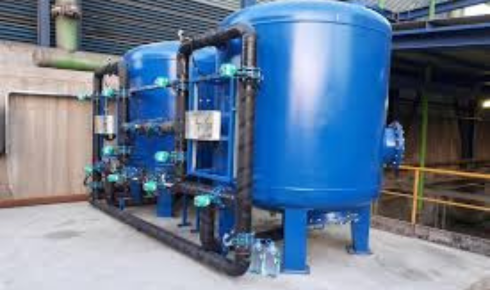
For some households—or industries—the standard level of filtration just isn’t enough. Maybe the water source contains higher levels of dissolved solids. Maybe the requirements are stricter, like in laboratories or certain manufacturing setups.
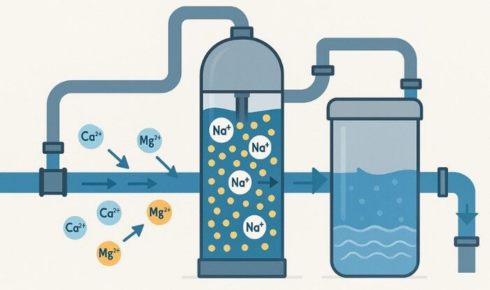
That’s where deionization systems come into the picture. These systems remove charged particles—ions—from the water, resulting in an exceptionally pure output. We’re talking about water that’s stripped down to a near-basic chemical level.
Now, for everyday home use, this might sound a bit excessive. And sometimes, it is. But in specific cases—like aquariums, medical equipment, or high-end appliances—it can make all the difference.
It’s a reminder that water treatment isn’t one-size-fits-all. It adapts to the need.
It’s Not Always About Problems
Here’s something people don’t talk about enough: you don’t need “bad” water to justify improving it.
Sometimes, the motivation isn’t a visible issue. It’s just the desire for something better. Cleaner taste. More confidence in what you’re drinking. A small upgrade to everyday life.
And honestly, those small upgrades matter. They stack up over time.
I remember visiting a friend who had recently installed a full filtration setup. Nothing fancy—just well thought out. The first thing I noticed wasn’t the equipment. It was how casually they filled a glass from the tap and handed it to me, without hesitation.
That kind of trust? It’s subtle, but it says a lot.
Choosing What Actually Fits Your Life
If you’ve ever looked into water systems, you’ll know how overwhelming it can get. So many options. So many claims. It’s easy to fall into the trap of overthinking—or worse, overbuying.
The key is to start simple.
Understand your water source. Get it tested if possible. Identify what’s actually present—hardness, chlorine, sediments, or something else entirely. From there, you can match a system that addresses those specific concerns.
Not everyone needs advanced purification. And not everyone can rely on basic filtration either. It’s about balance.
And maybe a bit of trial and error, too.
Maintenance — The Part Nobody Gets Excited About
Let’s be real—no one enjoys maintenance. Changing filters, checking systems, keeping things running smoothly… it’s not glamorous.
But it matters.
A neglected filter doesn’t just lose efficiency; it can sometimes make things worse. That’s why staying consistent—replacing cartridges, cleaning components—is part of the deal.
The good news? Most modern systems are designed to make this easier. Some even remind you when it’s time for a change. It’s not perfect, but it’s manageable.
Kind of like remembering to water your plants. You forget once or twice, but eventually, it becomes routine.
The Subtle Shift You’ll Notice
What surprises most people isn’t the technical side of water treatment. It’s the way it quietly changes everyday habits.
You start drinking more water without thinking about it. You rely less on bottled options. Cooking feels a bit more intentional. Even something as simple as washing fruits or vegetables feels… cleaner.
It’s not a dramatic lifestyle change. It’s more like a gentle nudge in a better direction.
And over time, those nudges add up.
A Final Thought, Without Overthinking It
At the end of the day, improving your water isn’t about chasing perfection. It’s about paying attention. Noticing the small things. Making choices that feel right for your home, your habits, your comfort.
You don’t need the most advanced system out there. You just need one that works for you.
Because once you experience water that tastes right, feels right, and just… works—you’ll understand why people make the switch.
And honestly, you probably won’t look back.