Most people don’t give much thought to their household water until something starts going wrong. Maybe soap refuses to lather properly, the shower door is covered in stubborn white marks, or the water from the kitchen tap has an unpleasant aftertaste. These little frustrations can become part of everyday life, but they may also be signs that your home’s water needs attention.
The good news is that improving household water doesn’t always require an expensive, complicated setup. The right solution depends on where your water comes from, what it contains, and how you use it. Once you understand those basics, choosing equipment becomes much less confusing.
Start With the Problems You Actually Have
Before looking at products, take a moment to observe your water. Does it leave chalky deposits around taps? Do you notice a chlorine smell? Is there visible sediment in a glass after the water settles? Perhaps the water looks perfectly clear but has a taste that makes everyone reach for bottled alternatives.
Each issue can have a different cause. Hard water contains elevated levels of dissolved calcium and magnesium, while sediment may enter through a well, supply line, or plumbing system. Chlorine is commonly used to disinfect municipal water, but some people find its taste or smell unpleasant.
Appearance alone, however, doesn’t tell the whole story. Certain contaminants can’t be seen, smelled, or tasted. If you’re concerned about safety, testing is far more reliable than judging water by its appearance.
A laboratory test or qualified water professional can help identify the issue and prevent you from buying equipment that doesn’t address it. That’s an important first step, especially if your property uses a private well.
Understanding Hard Water and Its Effects
Hard water is a common source of household frustration. Over time, mineral deposits can collect on faucets, showerheads, glass surfaces, and the heating elements inside certain appliances. You might find yourself scrubbing the bathroom more often, using extra soap, or wondering why freshly washed dishes look cloudy.
These deposits aren’t usually a sign that the water is contaminated. They’re generally associated with dissolved minerals, although other substances can contribute to staining and residue.
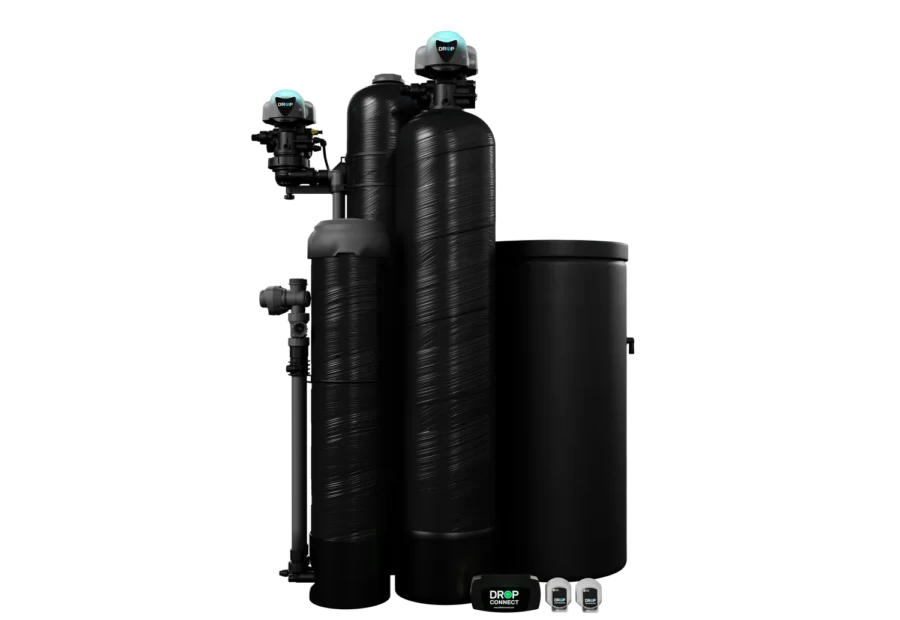
For homes with confirmed hardness problems, water softeners can make a noticeable difference. Traditional ion-exchange softeners replace hardness minerals, mainly calcium and magnesium, with other ions, commonly sodium. This helps reduce scale formation and can improve soap performance.
There are a few practical details to consider before installing one. The system must be sized for your household’s water use and hardness level. Salt-based units require regular salt replenishment and occasional maintenance, while some alternatives marketed as conditioners don’t actually remove hardness minerals.
If sodium intake is a concern, discuss the implications of softened water with a healthcare professional and consider whether an unsoftened drinking-water tap would suit your household. A little planning now can prevent frustration later.
Why Whole-House Treatment May Be Worth Considering
Treating water at a single tap can work well when the main concern is drinking water. But what if the problem affects your entire property? Sediment may be clogging fixtures, chlorine odor may be noticeable in several bathrooms, or a private supply may need treatment before water reaches household plumbing.
In these situations, whole home filtration systems may be worth exploring. Installed where water enters the house, these systems treat water distributed to multiple fixtures. Depending on the equipment selected, they can reduce sediment, improve certain taste and odor issues, or address specific contaminants for which the system has been tested.
The important phrase here is “depending on the equipment.” A basic sediment filter won’t remove every dissolved chemical, and a carbon filter isn’t a universal solution for bacteria, viruses, or all metals. Some homes need several treatment stages, while others may only need one targeted filter.
System size matters, too. A unit that’s too small may struggle when several showers, taps, or appliances run at the same time. Ask about flow rate, pressure drop, filter capacity, and maintenance costs before making a decision.
Whole-house equipment also tends to cost more than a small under-sink filter. It makes the most sense when there is a clear reason to treat water throughout the property rather than simply because the product sounds comprehensive.
Don’t Overlook the Water You Drink
Water used for cooking, making tea, filling a bottle, and preparing meals deserves special consideration. Even when household water is generally acceptable, some people prefer to improve its taste or target a particular substance identified through testing.
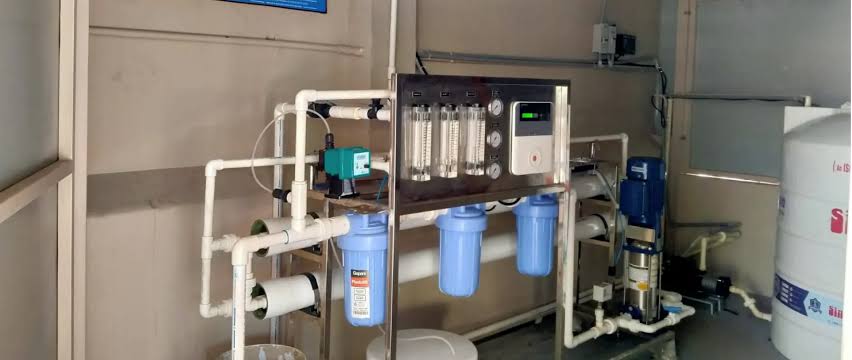
Under-sink carbon filters are a popular option for reducing chlorine taste and odor and certain other compounds, depending on the cartridge. Reverse osmosis units can reduce many dissolved substances, including some salts and metals, when properly designed and maintained. The exact performance varies by model and contaminant, so independent certification and product documentation matter.
Modern drinking water systems come in different sizes and configurations. Some connect directly to the kitchen tap, while others use a dedicated faucet or a countertop design. Your choice will depend on available space, daily water consumption, installation requirements, and the substances you want to reduce.
Don’t assume that a more expensive system automatically produces safer water. Check which contaminants it has been tested to reduce and whether replacement filters are readily available. A certified product selected for the right purpose is generally a better investment than a complex system chosen on the strength of broad marketing claims.
Maintenance Is Just as Important as Installation
A water treatment system isn’t something you can install and forget about. Filters collect particles or gradually lose their ability to perform as intended. Softener resin, membranes, valves, and other components may also require periodic servicing.
Create a simple maintenance schedule as soon as the equipment is installed. Record the model number, installation date, and recommended replacement interval. Keep spare cartridges available if they’re easy to store, and pay attention to changes in water pressure, taste, or odor.
For private wells, regular testing remains important even when treatment equipment is already in place. Water conditions can change after heavy rain, flooding, nearby land disturbance, or damage to the well. A treatment system should never be treated as a substitute for checking whether the source water remains safe.
If a filter is overdue for replacement, follow the manufacturer’s instructions rather than guessing how much longer it can last. Proper upkeep helps protect performance and reduces the likelihood of unexpected problems.
Compare the Real Cost, Not Just the Price Tag
When comparing systems, look beyond the advertised purchase price. Installation, replacement filters, salt, electricity, wastewater, and professional servicing can all affect long-term costs. Reverse osmosis systems, for example, may send some water to a drain during operation, while salt-based softeners require periodic regeneration and salt replenishment.
Ask suppliers for a clear breakdown of initial and ongoing expenses. Find out whether the equipment has a warranty, who handles repairs, and how easy it is to obtain replacement parts. If an installer recommends multiple treatment stages, ask what each stage does and what evidence supports the recommendation.
Be wary of pressure tactics or claims that your water is dangerous without reliable test results. A reputable professional should explain the findings, discuss reasonable alternatives, and give you time to decide.
Better Water Starts With an Informed Choice
Every home has different water needs. One household may benefit most from softening, another may need sediment removal, and a third may only require a drinking-water filter. There’s no single system that makes sense for everyone.
Start with testing where appropriate, focus on the problems that matter, and choose equipment designed to address them. Then maintain it according to the manufacturer’s guidance.
The result doesn’t have to be an elaborate installation. Often, a carefully chosen solution is enough to make daily tasks easier, improve the taste of drinking water, and help protect household equipment. The best system is one that fits your water, your budget, and your life—and continues doing its job long after installation day.