
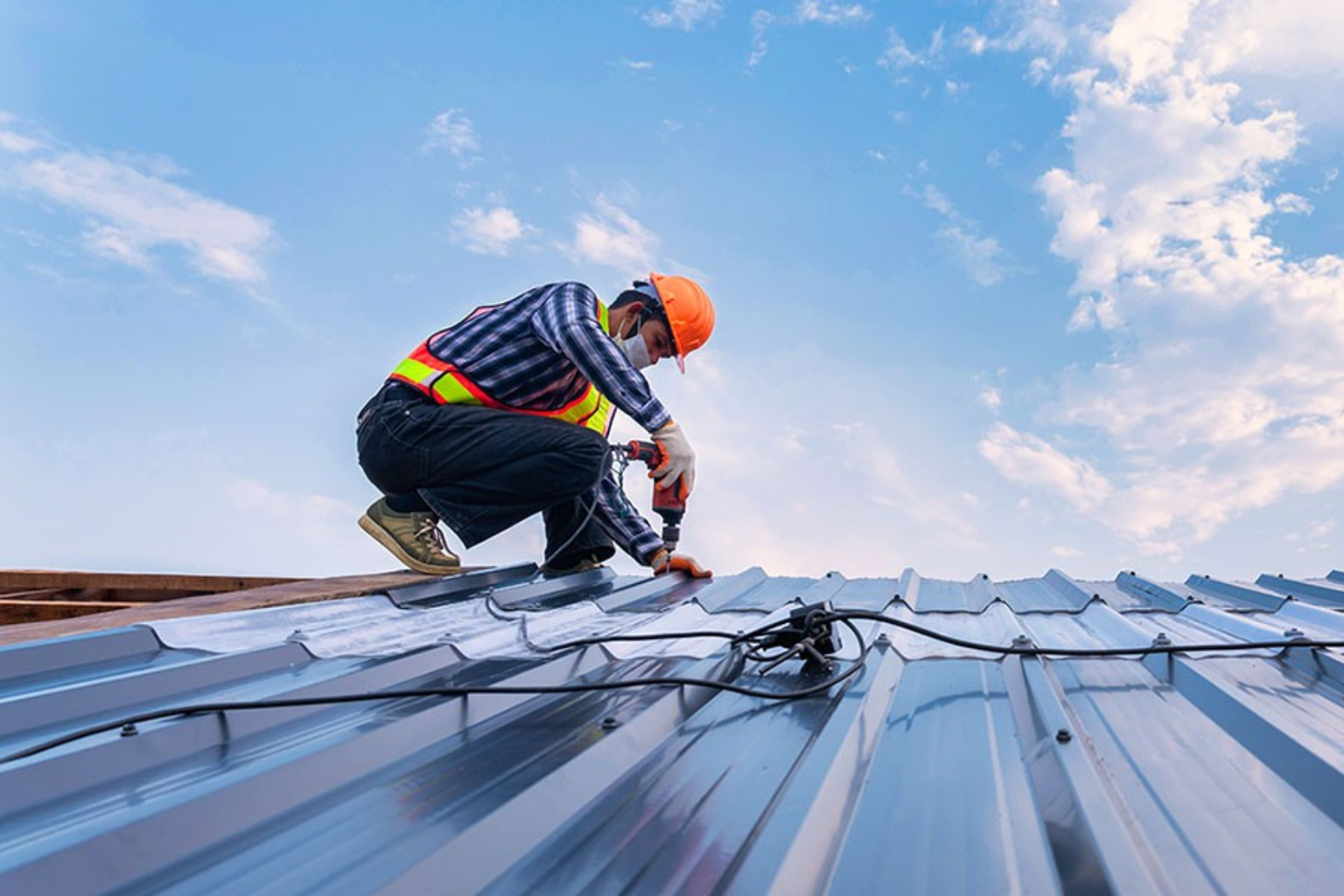
There’s a strange kind of silence that comes with a roof doing its job well. You don’t hear it, don’t notice it, don’t think about it. It just exists above you—steady, reliable, almost invisible.
Until, of course, it isn’t.
It might begin with something small. A faint water stain. A draft that wasn’t there last winter. Or that odd creaking sound during heavy winds that you suddenly can’t ignore anymore. Roof issues rarely arrive like a dramatic storm—they creep in, slowly, testing your attention.
And if you’re like most people, you’ll probably wonder… is this something minor, or am I about to open a very expensive door?
The Subtle Art of Catching Problems Early
One of the biggest mistakes homeowners make is waiting too long. Not out of negligence, but out of hope. You tell yourself, “It’s probably nothing.” Or, “Let’s just wait until next season.”
I’ve been there. Ignored a small damp patch once, thinking it would dry out on its own. It didn’t. It spread—quietly, stubbornly—until it forced me to take action.
That’s where professional roof inspection services come in. And no, it’s not just about climbing up and taking a quick look. A proper inspection goes deeper. It checks the structure beneath the surface, the flashing, the ventilation, the places you’d never think to examine yourself.
It’s less about finding problems and more about understanding the condition of your roof as a whole. Think of it like a health check-up. You don’t wait until things fall apart—you go to prevent that from happening.
Repairs: Small Fixes That Carry Big Value
Sometimes, you get lucky. The issue turns out to be minor—a cracked shingle, a loose seal, a clogged drainage area. These are the moments when timely roofing repairs can save you a surprising amount of money and stress.
But here’s the thing—repairs aren’t just about fixing what’s broken. They’re about restoring balance. A roof works as a system, and when one part fails, others start feeling the pressure.
I remember a neighbor who kept patching the same spot on his roof every monsoon. Each year, the leak came back. Turns out, the real issue wasn’t the visible damage—it was poor ventilation underneath. Once that was fixed, the problem finally stopped repeating itself.
So yeah, quick fixes can help, but understanding the root cause matters more.
The Emotional Tug of Letting Go (and Replacing)
Let’s talk about the bigger decision—the one most people avoid for as long as possible.
At some point, repairs stop being enough. The roof reaches a stage where patchwork solutions feel like temporary band-aids. That’s when roof replacement enters the conversation.
And honestly, it’s not an easy decision. It’s expensive, disruptive, and a bit overwhelming. You’re not just fixing a problem—you’re committing to a long-term investment.
But there’s also a strange sense of relief that comes with it. A new roof brings a kind of quiet confidence. You stop worrying every time it rains. You sleep a little better during storms.
It’s like finally replacing that old appliance you kept repairing over and over again. Once it’s done, you wonder why you waited so long.
Materials, Choices, and a Bit of Overthinking
If you ever dive into roofing options, be prepared—it’s a rabbit hole.
Asphalt shingles, metal roofing, tiles, composite materials… each comes with its own pros, cons, and price points. And suddenly, you’re not just a homeowner—you’re a decision-maker navigating durability, aesthetics, and budget all at once.
It can feel overwhelming. But here’s a simple way to look at it: choose what fits your environment and your lifestyle.
Live in a hot area? Heat resistance matters. In a rainy region? Focus on water drainage and durability. Planning to stay long-term? Invest in quality. Short-term? Maybe keep it practical.
There’s no perfect choice—just the right one for your situation.
The People Behind the Work Matter More Than You Think
You can pick the best materials in the world, but if the installation isn’t done properly, none of it will hold up.
That’s why the people you hire matter just as much—if not more—than the materials themselves.
Good professionals don’t just work fast. They work thoughtfully. They explain things, answer your questions (even the basic ones), and don’t make you feel rushed into decisions.
I’ve seen both sides—teams that treat your home like just another project, and others who treat it like it’s their own. The difference shows, not just in the work, but in the experience.
Weather Has Its Own Plans
You can plan everything perfectly, but weather has a way of doing its own thing.
Relentless sun can wear down materials over time. Heavy rain finds the tiniest gaps. Wind tests every edge and corner.
And while you can’t control the weather, you can prepare for it.
Regular maintenance, timely inspections, and choosing the right materials go a long way. It’s not about making your roof indestructible—that’s not realistic. It’s about making it resilient.
A Final Thought—It’s More Than Just a Structure
We often think of roofs as purely functional. Just a layer of protection.
But if you pause for a second, it’s more than that. It’s what shelters your routines, your quiet moments, your everyday life.