
It’s a funny thing—how something as clear and quiet as water can stir up so much concern once you start paying attention to what’s actually flowing out of your tap. You go years without thinking twice, and then one day, you’re sipping a glass, and a weird taste or a faint smell makes you pause. That’s when it begins: the deep dive into home water filtration. If you’re on that journey now, you’re not alone—and thankfully, you’re not without options either.
Let’s walk through this world of filters, reverse osmosis, and well water treatment, minus the jargon and hype. Just you, your water, and a few smart choices that could change how you drink, shower, cook, and even breathe in your home.
When Tap Water Isn’t as Innocent as It Seems
Most of us grew up trusting that if water flows from the faucet, it’s good to go. Municipal water systems, after all, are regulated. They add chlorine to kill bacteria, maybe toss in some fluoride for dental health, and filter out visible gunk. But here’s the thing—they’re not designed to remove everything. Pharmaceuticals, pesticides, heavy metals like lead or arsenic, and even microplastics often slip right through.
That’s where filtration comes in—not just for taste or smell, but for peace of mind. And it’s why so many households are investing in systems that go beyond the basics.
A Closer Look at Reverse Osmosis Systems (and Why They’re Worth It)
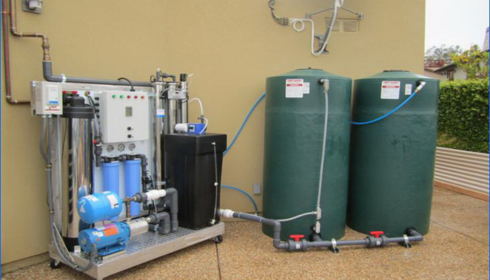
Let’s start with a bit of a heavyweight in the water-cleaning world: reverse osmosis systems. Yeah, the name sounds like a science experiment gone rogue, but the concept is pretty straightforward. Water is pushed through a semipermeable membrane that acts like a picky gatekeeper, letting through only the purest water molecules and rejecting the rest—things like sodium, nitrates, lead, and fluoride.
The result? Water that’s incredibly clean. So clean, in fact, that it sometimes tastes a bit too “empty” for people used to mineral-rich spring water. But here’s the kicker—it’s ideal for drinking and cooking. Tea tastes cleaner. Coffee is sharper. Soups? Somehow better.
Of course, it’s not perfect. RO systems can waste a bit of water in the process, and they’re usually installed under your sink, so they don’t filter water for your whole home. But if you care about what’s going in your body—especially if you’ve got kids, compromised immunity, or are just trying to be proactive—it’s a solid place to start.
The Bigger Picture: Why Whole House Filters Are on the Rise
Drinking water isn’t the only concern. Think about all the water that touches your skin, fills your lungs as vapor in the shower, or runs through your appliances. Enter whole house filters—systems installed at the point where water enters your home, treating all of it before it hits any tap.
These filters don’t usually use the super-fine RO membranes, but they pack a punch in other ways. They reduce sediment, chlorine, rust, sulfur smells, and sometimes even iron or manganese, depending on the model. For people with asthma or sensitive skin, this can make a surprising difference. Less chlorine vapor during showers, softer hair, less irritation—it’s not just about what’s in your glass anymore.
They also extend the life of plumbing and appliances. Fewer minerals and particles = less scale buildup in your hot water heater or washing machine. That’s real money saved over time, not to mention fewer frustrating service calls.
Well Water: Beautifully Independent, Wildly Unpredictable
If your water comes from a private well, you’re in a whole different league of responsibility. No one’s monitoring it for you. No city lab is checking for bacteria or nitrates or industrial runoff. It’s all on you—and trust me, “clear” doesn’t always mean “clean.”
Well water treatment is more than a suggestion; it’s a necessity. You might be dealing with iron stains in your sinks, a rotten egg smell from sulfur, or weird slime from manganese bacteria. Worse, some well water contains dangerous levels of arsenic or coliform bacteria without any taste or odor at all.
There’s no one-size-fits-all here. Treatment systems have to be customized based on what’s found in your water test (and yes, testing annually is a must). You might need a softener, a UV sterilizer, a sediment filter, or even a reverse osmosis unit for your drinking water. The good news? Once it’s dialed in, well water can be wonderfully fresh and mineral-rich—nature at its best, if managed right.
The Emotional Side of Clean Water (Yes, Really)
Look, let’s be honest—it’s easy to get lost in the specs and features of filters, cartridges, and micron ratings. But at the heart of all this is something a bit more human. There’s a comfort in knowing your kids can fill a cup at the fridge and you don’t have to worry. There’s joy in a shower that doesn’t leave your skin itchy or your hair like straw. There’s even pride in taking control of something as essential as your home’s water.
Clean water is foundational. It fuels our days, our bodies, and even our confidence. You shouldn’t have to second-guess what’s coming out of your faucet.
So, What Should You Do Next?
First, test your water. Seriously. Whether you’re on a well or city supply, you can’t fix what you don’t understand. Get a lab test—not just the free strip test from a hardware store.
Then, choose a system that fits your reality. Live in an apartment? A countertop RO unit might be enough. Own a home? Think about a combo: maybe a whole house filter plus an RO for drinking. On a well? You’ll probably need a more layered setup—but once you’ve got it, it’s one less thing to worry about.
Also, don’t forget maintenance. Filters need to be changed. Systems need checking. Like anything worthwhile, it’s not totally set-it-and-forget-it.
Final Thoughts (Because This Stuff Matters)
We live in a world where clean, safe water isn’t always a guarantee—even when it should be. But that doesn’t mean you’re powerless. Whether you’re installing a small drinking filter or overhauling your whole water system, the goal’s the same: to protect what matters, quietly and consistently, every single day.
It might not be glamorous, but it is worth it.
And once you taste the difference, once you shower in chlorine-free water or see your laundry come out cleaner than ever—you’ll get it. Clean water at home isn’t a luxury. It’s a quiet revolution. And it starts with you.