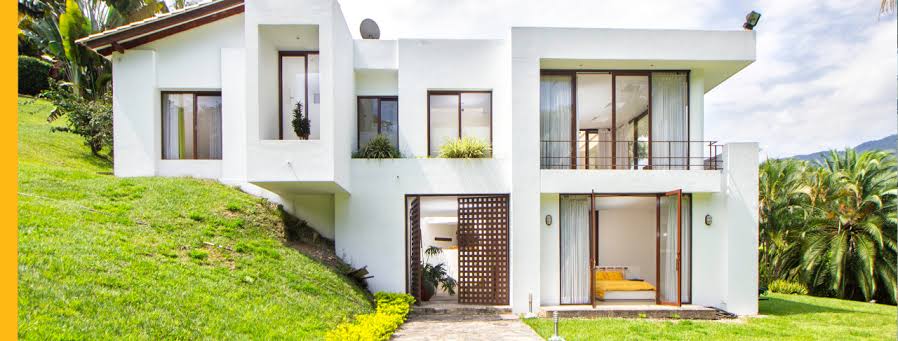
Choosing energy efficient exterior home coatings can be a practical step toward improving residential comfort, protecting exterior surfaces, and managing heat absorption. For homeowners living in regions with long summers and intense sunlight, exterior walls can absorb significant amounts of solar energy throughout the day. This heat may contribute to warmer indoor conditions and increase the workload of air conditioning systems.
Although exterior coatings cannot replace proper insulation or efficient cooling equipment, the right product can complement other home improvements. Superior Homes Painting USA helps homeowners explore suitable exterior painting solutions by considering coating performance, surface preparation, and durability to support informed property improvement decisions.
Understanding How Exterior Coatings Work
Traditional exterior paint primarily serves decorative and protective purposes. It provides color, helps shield surfaces from environmental exposure, and contributes to a property’s overall appearance. Specialized energy efficient exterior home coatings offer additional properties designed to influence how exterior surfaces interact with sunlight and heat.
Reflecting Sunlight and Managing Heat
Some coatings are formulated to reflect a portion of incoming solar radiation, reducing the amount of energy absorbed by a surface. Others incorporate technologies intended to improve thermal performance or provide additional resistance to weather-related deterioration.
Factors That Influence Coating Performance
The effectiveness of any coating depends on its formulation, the surface receiving the application, the surrounding climate, and the condition of the building itself. Homeowners should evaluate manufacturer specifications rather than assuming every exterior paint product provides the same energy-related benefits.
How Reflective Exterior Coatings Help Manage Heat
Sunlight contains visible light and infrared radiation. When it reaches an exterior wall, some energy is reflected while the rest is absorbed as heat.
Coatings with solar-reflective properties can reflect more sunlight, potentially lowering surface temperatures and reducing heat transfer into the home. Their effectiveness depends on several factors:
- Solar reflectance: Measures how much sunlight a surface reflects.
- Thermal emittance: Indicates how effectively a surface releases absorbed heat.
- Exterior color: Lighter colors generally reflect more sunlight than darker shades.
- Building construction: Insulation, ventilation, and wall materials influence indoor temperatures.
- Climate and sun exposure: Local weather, shading, and direct sunlight affect coating performance.
Considering these factors helps homeowners choose suitable coatings based on product specifications, property conditions, and long-term performance rather than color alone.
Key Benefits of Reflective Exterior Coatings
Properly selected and applied coatings can support home comfort, exterior protection, and long-term property maintenance.
1. Improved Indoor Comfort
Reflective coatings may reduce solar heat absorption, helping manage indoor temperatures when combined with adequate insulation and ventilation.
2. Enhanced Energy Efficiency
These coatings can complement other improvements, such as efficient windows, air sealing, and well-maintained cooling systems.
3. Exterior Surface Protection
Suitable coatings help protect surfaces against sunlight, weathering, and moisture exposure. Existing damage should be repaired before application.
4. Long-Term Durability
Quality products and proper surface preparation can help maintain the exterior finish and reduce premature repainting. Consider durability, maintenance requirements, and installation costs when comparing options.
Choosing the Right Exterior Coating for Your Home
Selecting the right coating depends on your home’s materials, climate, existing finish, and performance goals.
Evaluate the Existing Surface
Stucco, masonry, wood siding, and fiber cement require different preparation and coating methods. Address peeling paint, cracks, and moisture damage before application to improve adhesion and durability.
Compare Product Specifications
Review manufacturer details, including solar reflectance, thermal emittance, surface compatibility, and maintenance requirements. Reflective properties alone do not guarantee lower indoor temperatures or energy bills.
Consider Climate and Sun Exposure
Intense sunlight, humidity, rainfall, and temperature changes influence coating performance. Choose products suited to local conditions and the home’s exposure.
Balance Color and Performance
Lighter colors generally reflect more sunlight than darker shades. However, some specialized coatings offer improved reflectance across various colors, allowing homeowners to balance appearance with performance.
Why Surface Preparation and Professional Application Matter
Even high-quality coatings can fail when applied to poorly prepared surfaces. Proper preparation improves adhesion, durability, and finish quality.
Key steps include:
- Inspect: Identify peeling paint, cracks, mildew, and moisture damage.
- Clean: Remove dirt and loose debris.
- Repair: Fix damaged areas and address moisture problems.
- Prepare: Remove failing paint and apply compatible primer when required.
- Apply: Follow manufacturer guidelines for coverage, drying time, and weather conditions.
- Inspect: Check for even coverage and application defects.
Temperature and humidity can also affect coating performance. An experienced painting contractor can help select suitable products and ensure proper preparation and application.
Common Misconceptions About Exterior Paint
Misconception 1: All exterior paint reduces cooling costs.
Only certain coatings offer specialized reflective properties. Check product specifications.
Misconception 2: Reflective coatings replace insulation.
They complement, but do not replace, insulation, ventilation, and efficient cooling systems.
Misconception 3: All reflective coatings perform equally.
Results vary by product, surface, application, and climate.
Misconception 4: Cooler walls guarantee lower energy bills.
Energy costs also depend on HVAC efficiency, insulation, weather, and electricity rates. Savings are not guaranteed.
Planning an Exterior Painting Project With Long-Term Value
A successful exterior improvement project begins with clearly defined priorities. Some homeowners primarily want to refresh their property’s appearance, while others are interested in heat management, surface protection, or a combination of these goals.
Before proceeding, consider the following questions:
- Which exterior surfaces receive the most direct sunlight?
- Are there existing paint failures, cracks, or moisture-related problems?
- Does the proposed coating have documented reflective properties?
- Is the product compatible with the home’s exterior materials?
- What preparation, primer, and application methods are required?
- How do the initial costs compare with expected durability and maintenance needs?
Answering these questions can help homeowners compare proposals more effectively. A detailed estimate should identify the preparation work, coating products, application scope, and relevant warranty terms. Comparing these details provides a clearer basis for evaluating quality than relying on price alone.
Homeowners should also consider whether additional improvements, such as attic insulation, weatherstripping, or HVAC maintenance, may address more significant sources of energy loss or heat gain.
Improve Your Home’s Exterior With an Informed Coating Choice
Energy efficient exterior home coatings can be a valuable consideration for homeowners seeking to balance exterior appearance, surface protection, and residential comfort. Their effectiveness depends on selecting a suitable product, understanding its documented performance, and ensuring that the existing surface receives proper preparation and application.
A well-planned project considers the entire building rather than relying on paint alone to solve energy efficiency challenges. By evaluating climate conditions, exterior materials, solar exposure, and long-term maintenance requirements, homeowners can make more confident decisions about their investment.
Superior Homes Painting USA provides an opportunity to explore exterior painting solutions suited to individual property needs. Contact the company to discuss available coating options, evaluate the requirements of your home’s exterior, and plan a painting project focused on durability, appearance, and informed product selection.