Moving into a new home often means discovering a few unexpected things about the property. Perhaps the tap water has an unfamiliar taste, the bathroom fixtures develop reddish stains, or tiny particles occasionally appear when you fill a glass. Even homeowners who’ve lived in the same house for decades can experience changes in their water supply.
Taking a thoughtful approach to water quality testing and treatment helps homeowners understand these concerns and make informed decisions about improving their household water.
The good news is that water treatment doesn’t have to involve complicated equipment or expensive upgrades. In many cases, identifying the underlying problem is the most important step toward finding a practical, lasting solution.
Understanding What Your Water Test Results Really Mean
Water testing provides a useful snapshot of what’s happening within your supply. Depending on the assessment, results may identify excessive hardness, elevated iron concentrations, unusual pH levels, or specific contaminants.
But receiving a report filled with numbers and unfamiliar terminology can feel overwhelming.
Ask a qualified professional to explain which findings require attention and which are primarily associated with aesthetic concerns.
Hardness, for example, often contributes to mineral deposits and cleaning frustrations. Other substances may raise more significant drinking water safety concerns.
Basic household assessments don’t necessarily identify every potential contaminant, so additional laboratory testing may be appropriate.
Understanding these distinctions helps you prioritize treatment instead of trying to address everything at once.
Improving Water Quality Beyond the Kitchen Sink
Many families begin their water treatment journey with a filter pitcher or a small device attached to the kitchen faucet. These products can be useful, but they don’t address concerns elsewhere in the property.
Installing whole-home filtration allows selected unwanted substances to be reduced near the main incoming water line, before water reaches connected household fixtures and appliances.
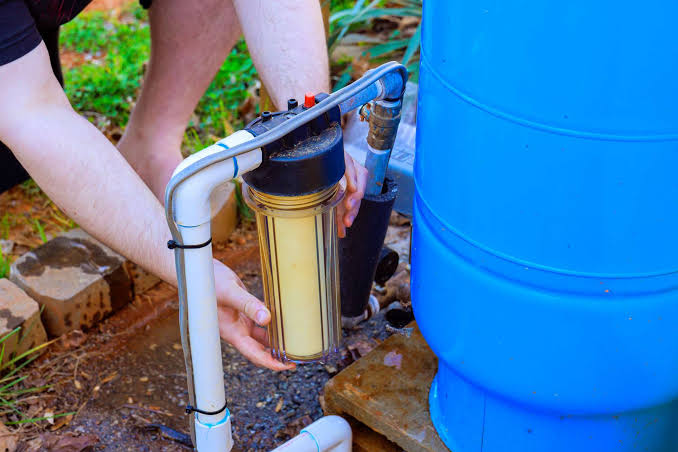
Sediment filters can capture suspended particles, while activated carbon may help reduce chlorine and certain unpleasant tastes and odors.
This centralized approach can be particularly convenient when similar water quality concerns affect several areas of the house.
However, different filters have different capabilities. Choosing equipment according to reliable testing results is essential, particularly when addressing specific contaminants.
Giving Private Well Water the Attention It Deserves
Owning a private well offers a certain independence. You’re drawing water from beneath your own property rather than relying on a municipal distribution system. That independence, however, comes with additional responsibilities.
Appropriate well water treatment begins with understanding groundwater conditions and identifying substances that may require attention.
Iron, manganese, hardness minerals, sediment, and hydrogen sulfide can contribute to various household frustrations. Microbial and chemical contaminants may also be present without noticeable changes in appearance or taste.
Private well owners should arrange appropriate laboratory testing at least annually for common concerns such as bacteria and nitrate.
Additional testing may be necessary following flooding, well repairs, or sudden changes in water quality.
When harmful contamination is suspected, use a verified safe alternative for drinking and cooking until appropriate corrective measures and testing confirm safety.
Why Different Water Problems Need Different Solutions
One of the biggest misconceptions about water treatment is that a single filter can solve every problem.
Unfortunately, water chemistry isn’t quite that simple.
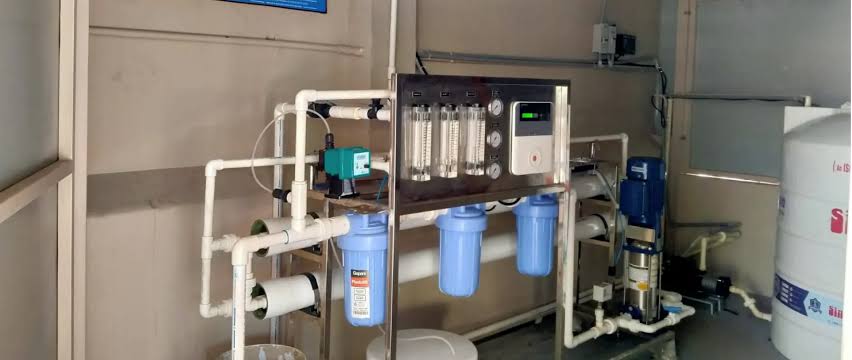
A sediment filter captures suspended particles but doesn’t remove dissolved hardness minerals. Conventional water softeners address calcium and magnesium, while reverse osmosis can reduce many dissolved substances through membrane technology.
Specialized treatment equipment may be needed for excessive iron, sulfur-related odors, or microbial concerns.
In some households, combining several technologies is the most sensible approach.
Think of it rather like maintaining your car. Different components perform different functions, and replacing one part won’t necessarily resolve an unrelated problem.
Water treatment works much the same way.
Protecting the Appliances You Rely On Every Day
Few things disrupt a household routine quite like an unexpected appliance breakdown. A malfunctioning washing machine or water heater can quickly turn an ordinary week into an inconvenient one.
Excessive hardness may contribute to scale formation inside water-heating equipment, while suspended particles can accumulate inside appliance screens and valves.
Suitable treatment helps reduce the substances responsible for these maintenance concerns.
Although filtration and softening cannot automatically repair existing damage, they can complement a thoughtful preventive maintenance routine.
If you’re purchasing new appliances or renovating your home, consider the condition of your incoming water supply.
It’s an easily overlooked detail that deserves attention before connecting expensive new equipment.
Finding a Treatment Provider Who Offers Practical Guidance
Choosing water treatment equipment shouldn’t feel like navigating an endless sales presentation.
When consulting a provider such as Waterhouse Water Systems, ask how testing results influence equipment recommendations. Discuss installation requirements, treatment capabilities, replacement component expenses, and ongoing servicing arrangements.
It’s also worth finding out how performance will be verified after installation.
A suitable treatment system should accommodate your household’s water consumption without creating unnecessary flow restrictions or maintenance difficulties.
Take your time comparing recommendations. Understanding what you’re purchasing is more valuable than being impressed by complicated technical descriptions.
Making Better Water a Long-Term Household Priority
Improving water quality isn’t something you necessarily accomplish once and forget about forever. Water conditions can change, filters require replacement, and treatment equipment needs occasional attention.
Keeping maintenance records and arranging appropriate follow-up testing can help preserve system performance.
The benefits of thoughtful treatment often appear in life’s ordinary moments — preparing breakfast, enjoying a refreshing shower, or washing clothes without constantly worrying about mineral stains.
Your household depends on water from the moment you wake up until you turn off the lights at night.
Understanding its quality and looking after it properly is a practical investment in everyday comfort, responsible homeownership, and greater confidence in the water flowing through your home.